UI & UX design
UI and UX design that just works
Interfaces that feel natural and lead people to the action that matters. We design the whole flow, from first step to final pixel, and then build it ourselves.
Clients rate us 4.9
- One team designs and builds
- Web and app
- Designed for conversion
Built for, among others



The problem
What gets in the way
A good-looking screen is not the same as a good screen.
It looks great, but people drop off
A handsome screen visitors can't get through: the button is hidden and the next step unclear.
The design isn't buildable
The designer delivered animations and interactions that can't be built in practice, or only after months of extra work. What looked fluid in the design becomes a compromise once live.
Design and development talk past each other
One agency designs, another team builds, and half the intent gets lost in the handover. Nobody feels responsible for the end result.
A complex tool nobody understands
Many functions, many buttons, and a user who gets stuck. With an editor, dashboard or configurator the design decides whether people keep using it.
How we look at it
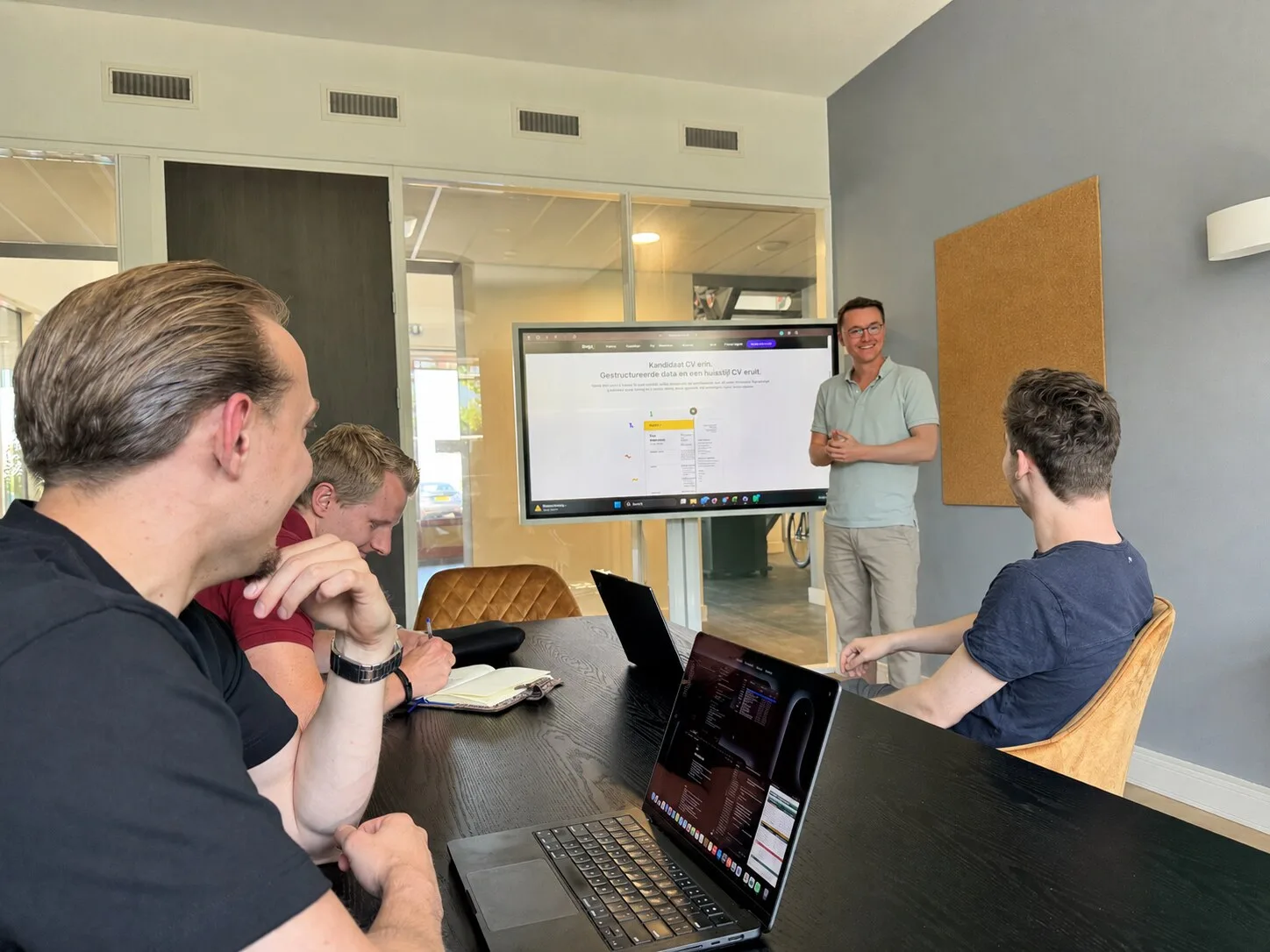
UX is the question of what someone clicks, in what order, and where they drop off. UI is how that looks and feels. Most agencies hand over a beautiful mockup to a developer and toss it over the wall, where half of it dies because it was not buildable or the animation could not be done.
Read more
With us, that sits in one team. We design the user flow, draw the screens, and then build them ourselves, so every UX choice we make is one we can actually deliver.


What we build
How we help
We start with what someone wants to achieve, in which steps, and where it goes wrong. Only when that route is right do we draw the screens around it.
An interface that carries your brand and works on every screen, from an app with motion to a tablet screen with large buttons you operate standing on site.
Many functions needn't mean confusion. In an editor you drag parts around and see the result at once; the more a tool can do, the calmer the design has to be.
Good design takes work away. On site you tap standard texts and add a photo, so you don't have to type whole sentences on a tablet.
We record buttons, cards and forms as reusable parts. Every screen looks the same and a new feature doesn't have to be drawn from scratch.
What we built
See the latest from Topdevs
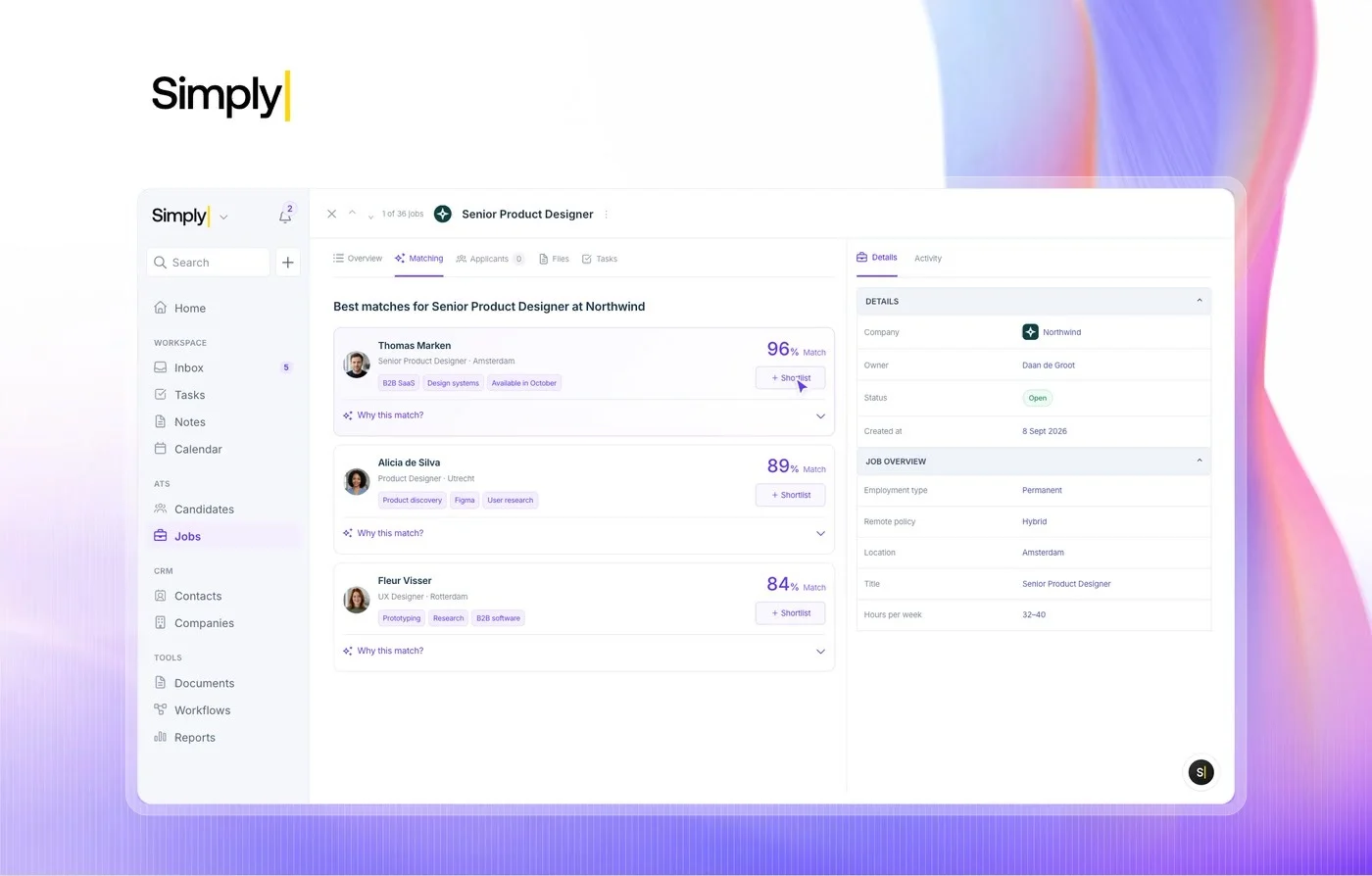
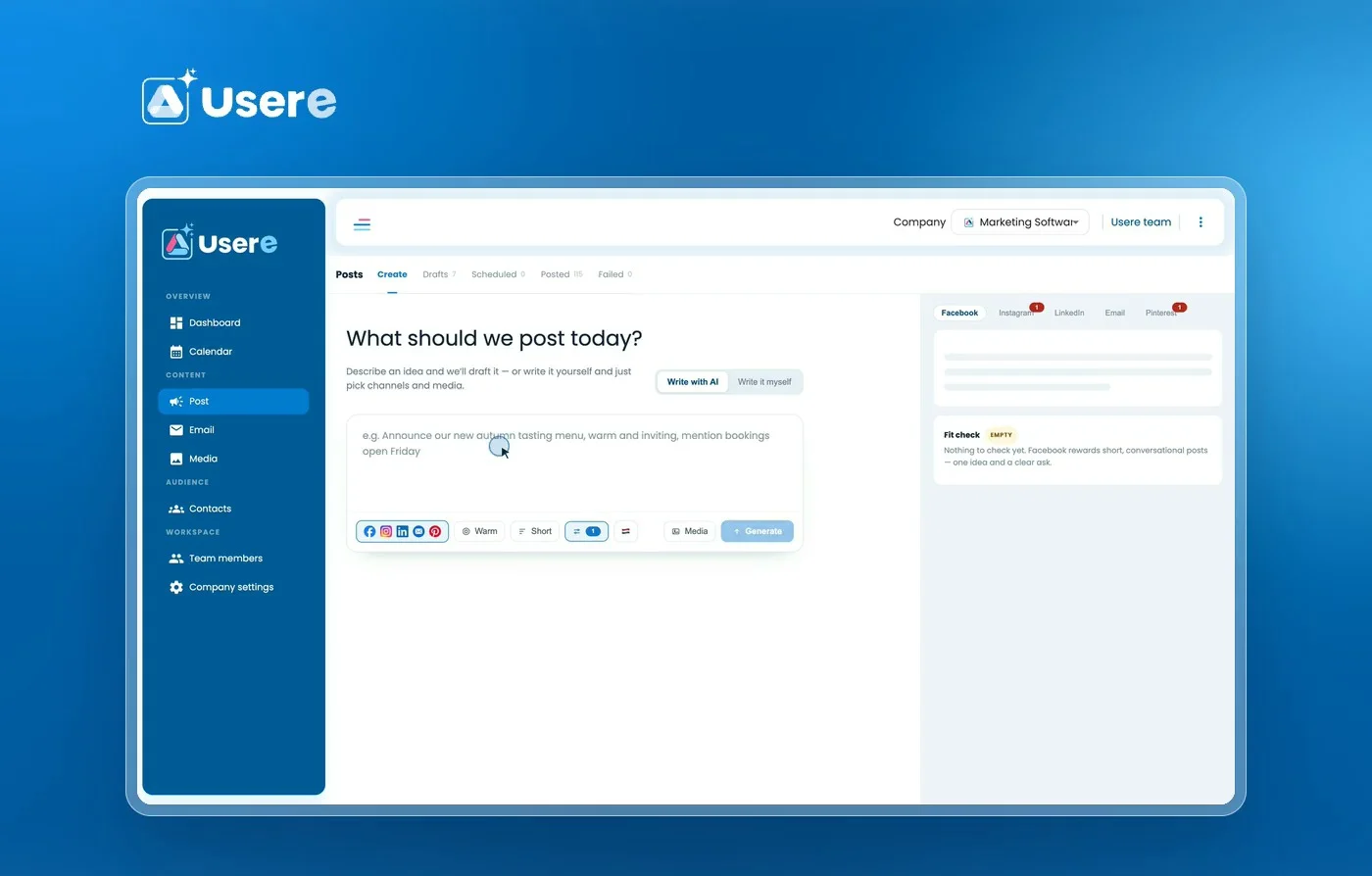
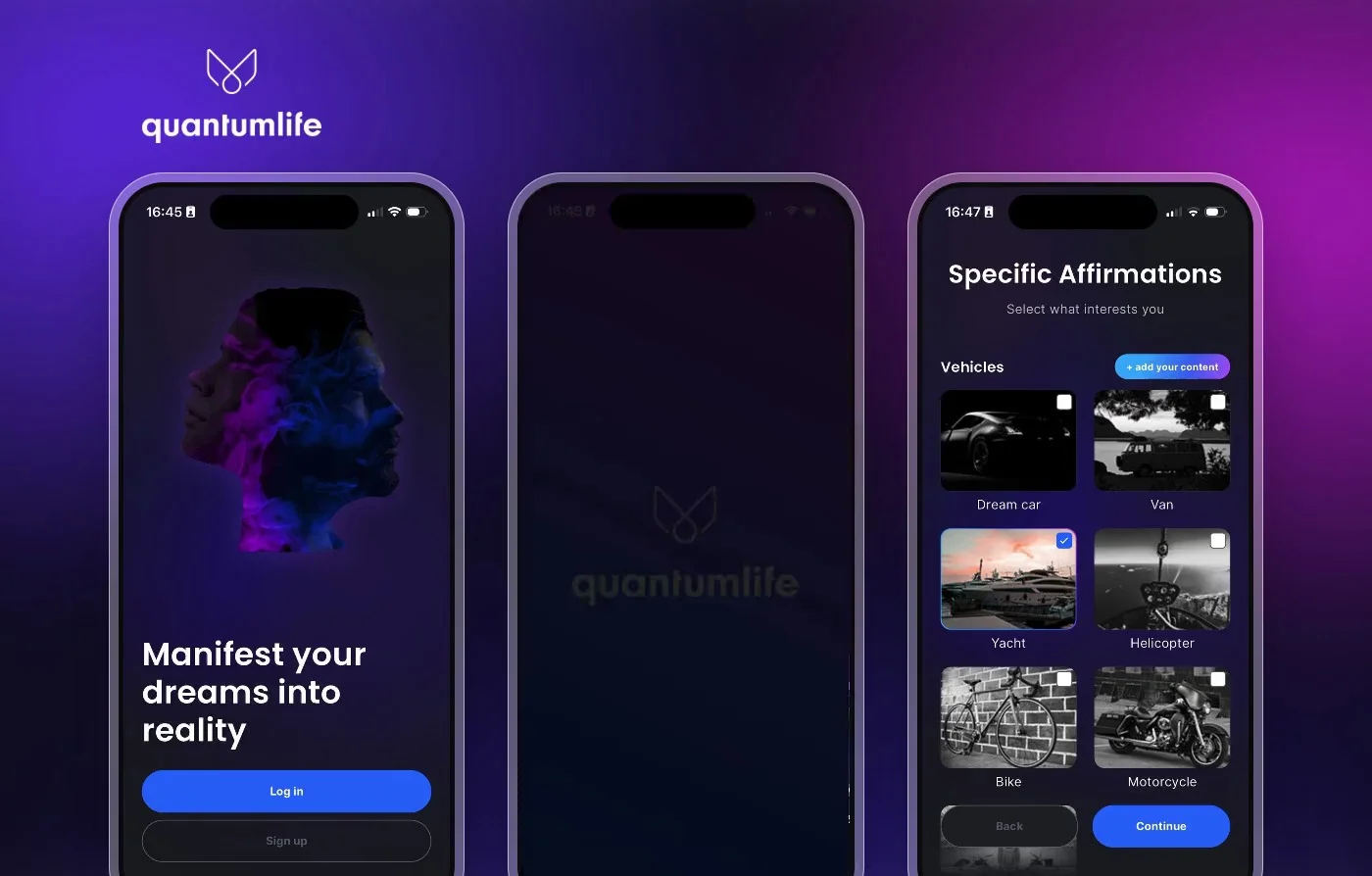
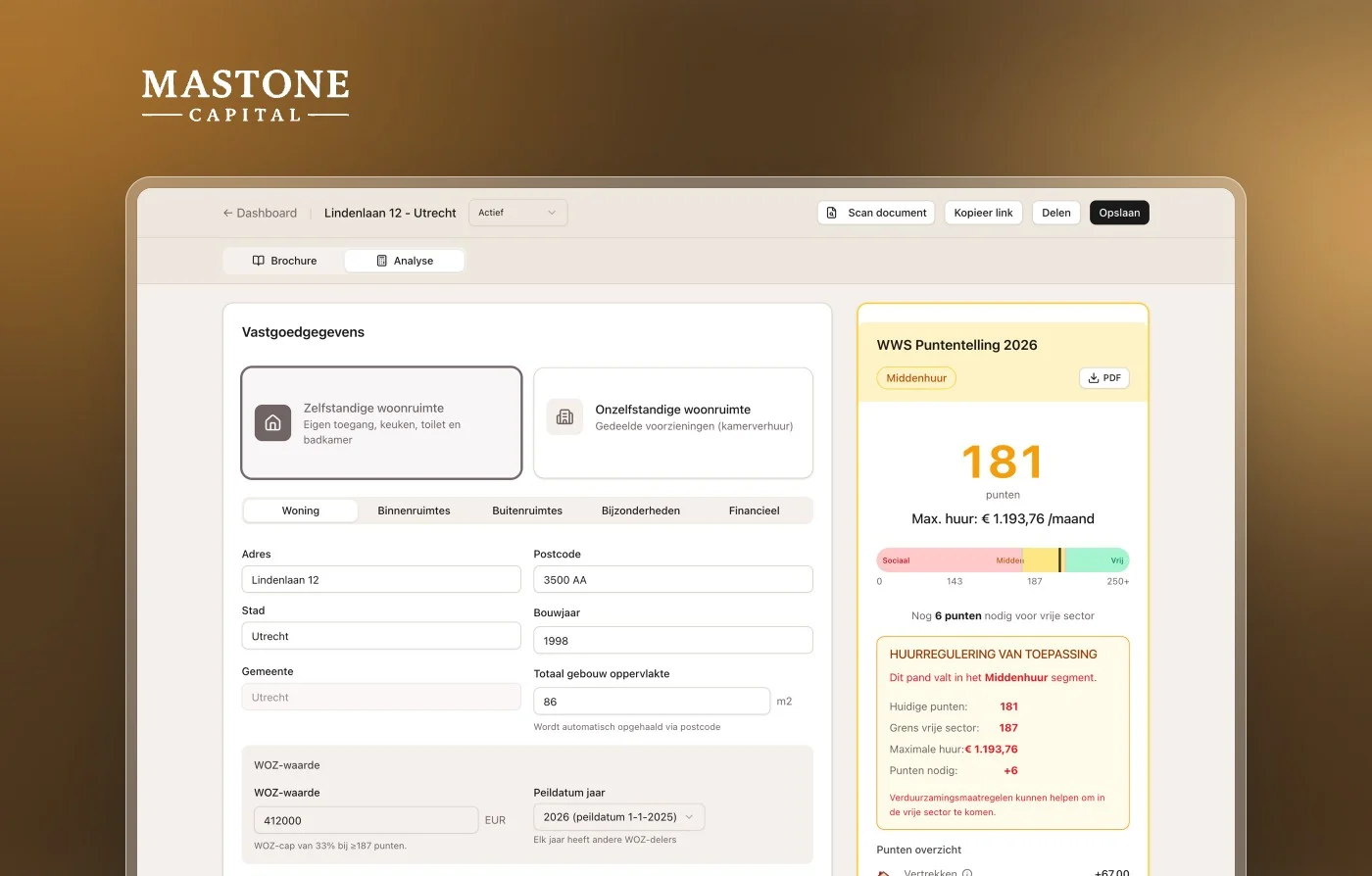
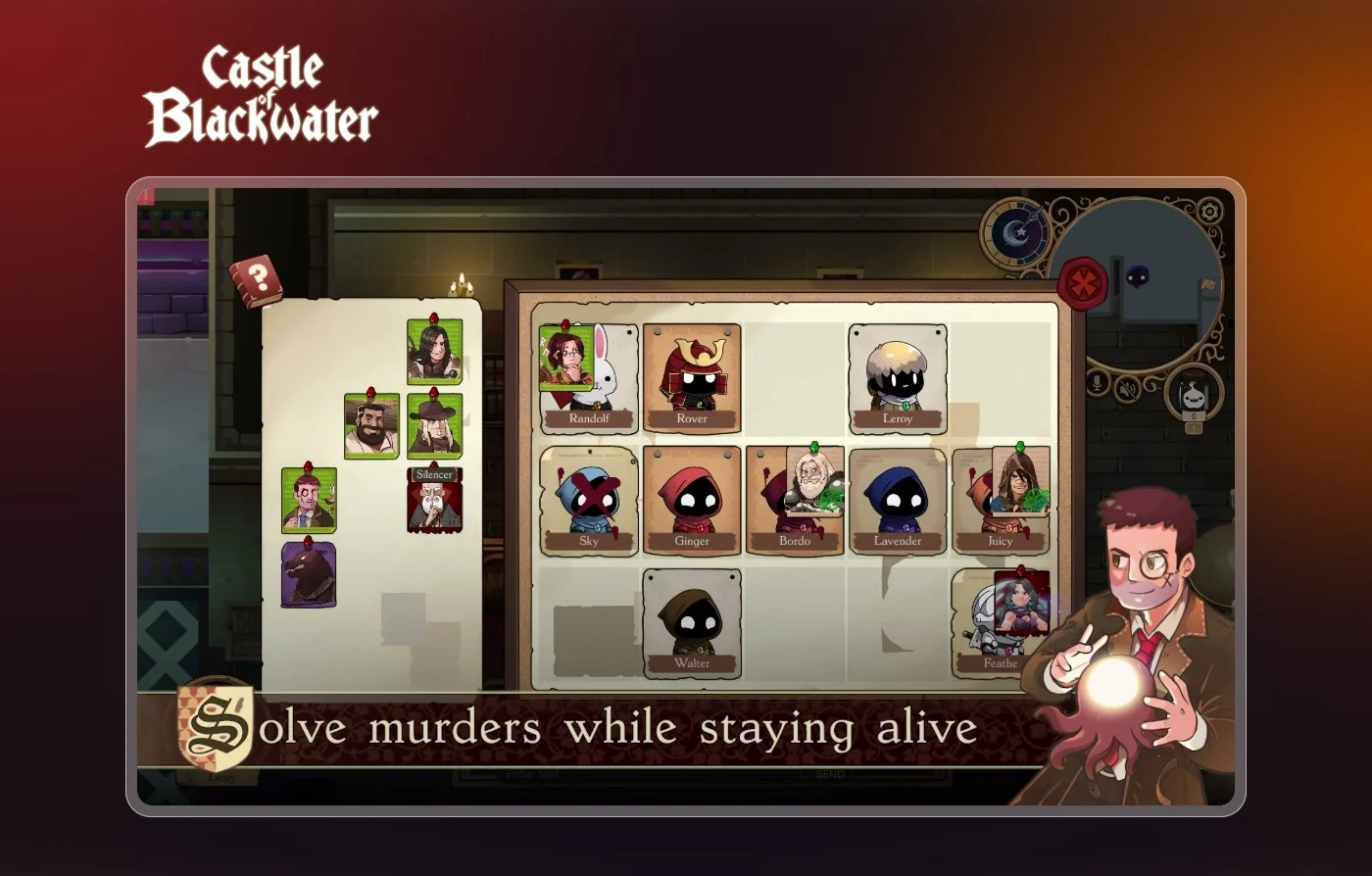
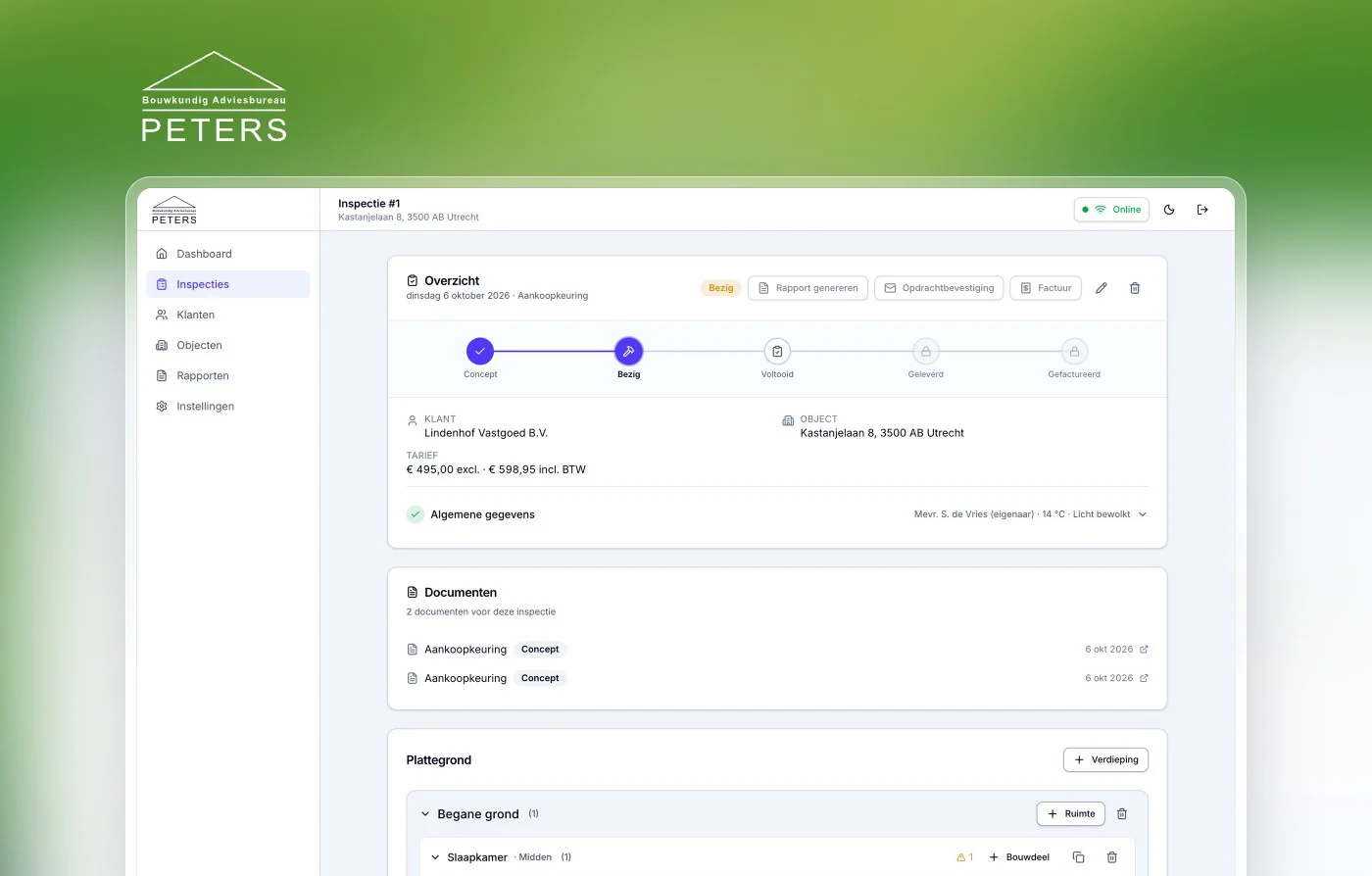
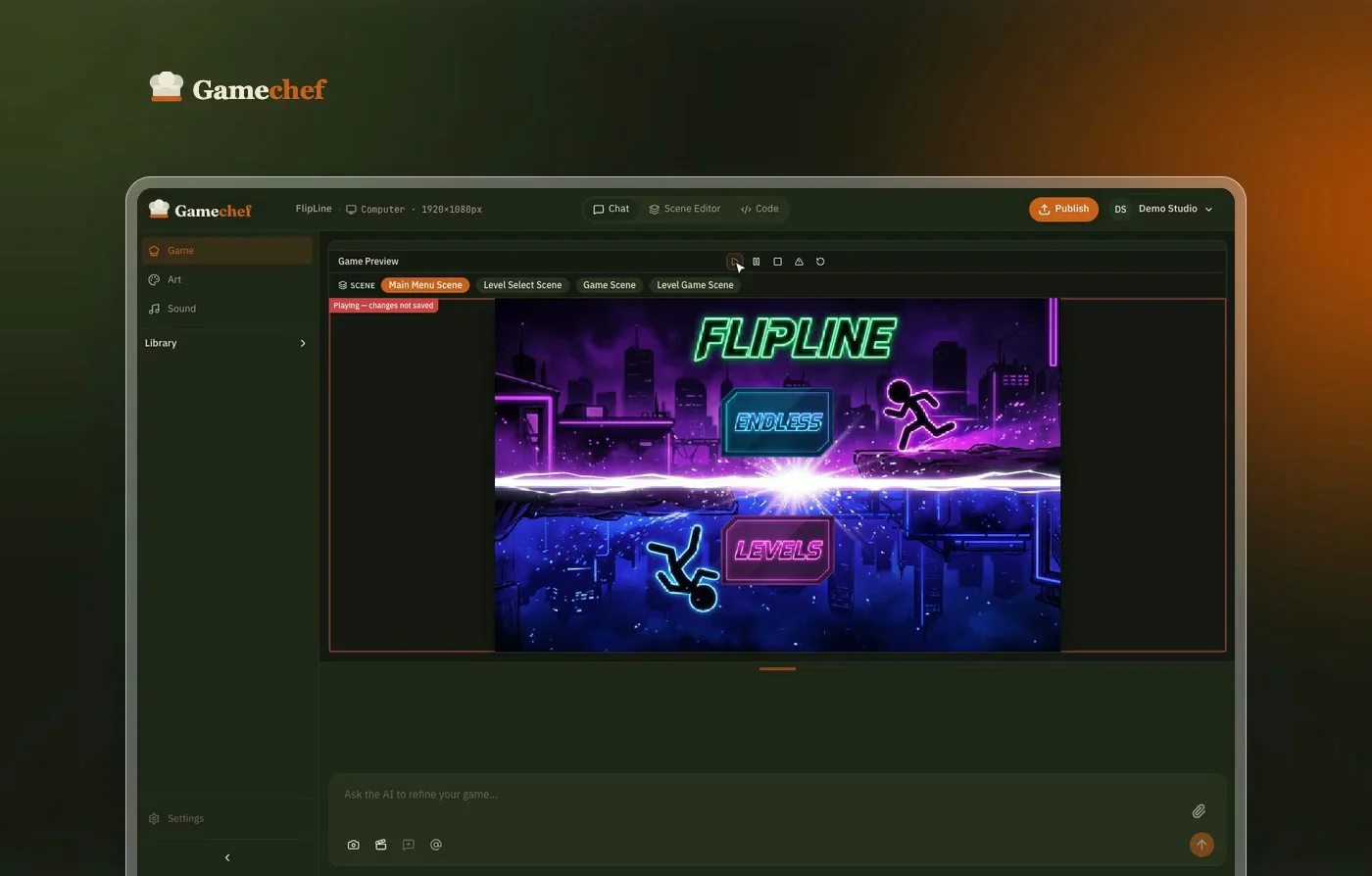
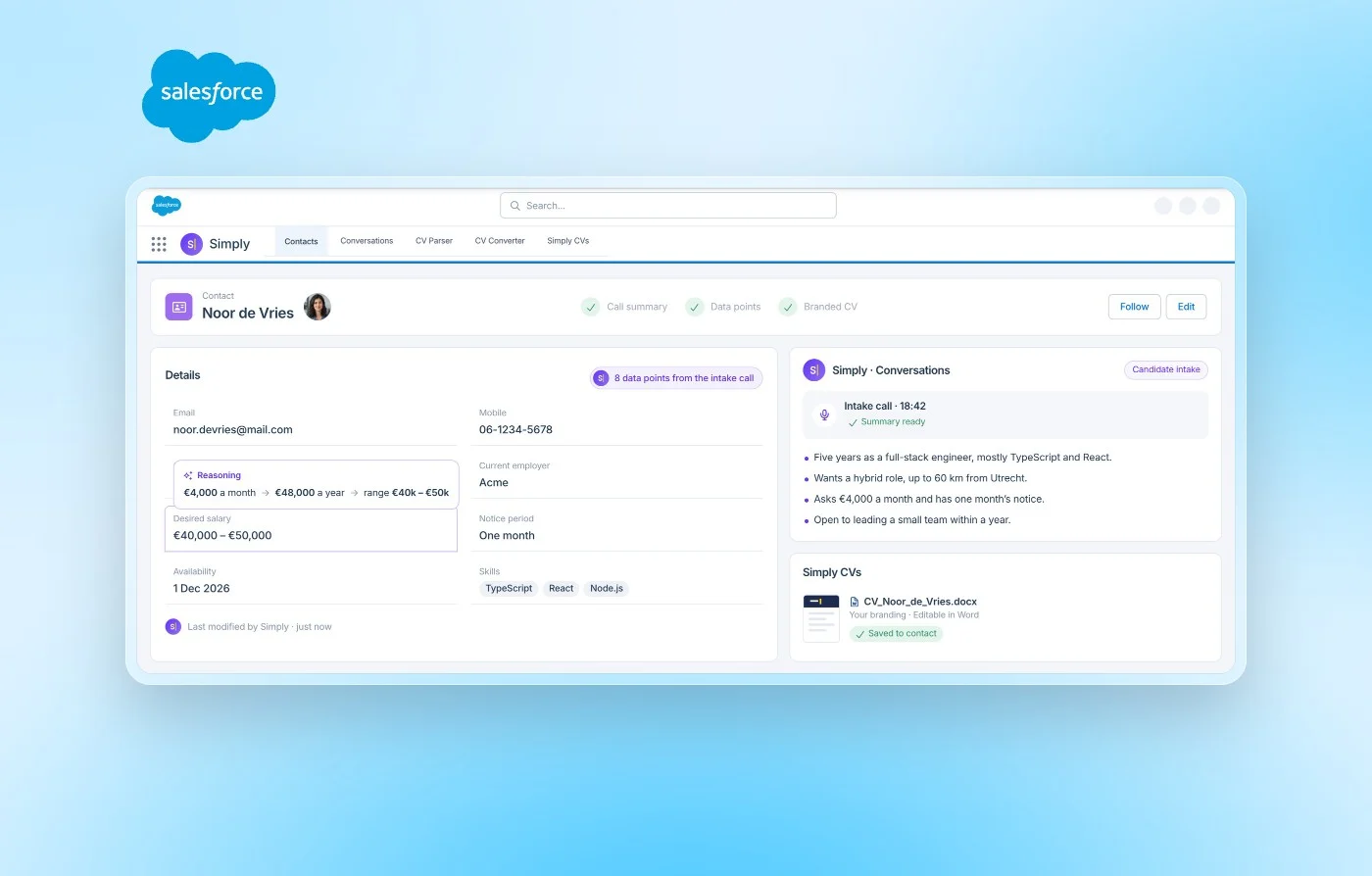
Simply - AI-Native CRM & ATS
Simply's AI-native CRM and ATS, built by us from data model to hosting. One platform with an AI agent, a unified inbox, matching and workflows, used by thousands of recruiters every day.
Reviews
What our clients say about us.
4.9 · based on client reviews
10 hours back every week
“One week of development now saves us 10 hours every week.”
 Joost van den BogartBBS Advocaten
Thought along, delivered fast
“A team that thinks along and delivers: quick to act, cleanly shipped and exactly what we had in mind.”
 Nico WerkmanDecathlon
Tens of thousands of documents, instantly searchable
“We used to dig through thousands of documents. Now I just ask a question and get an answer straight away, with the source attached so I can trust it. It saves us a huge amount of time.”
 Janet LongPlanit Consulting · AI chat for planning documents
Our approach
From idea to working software in four phases
Every project runs through the same four phases, so you always know what's happening, what comes next and what it costs, from first call to live software, usually in weeks rather than months.
- 01Phase 1Free intake
Understand & analyse
Everything starts with a good conversation. We map your goals, processes and the bottlenecks worth solving: no sales pitch, just an honest read on where the biggest win sits.
- 02Phase 2Free blueprint
Blueprint & quote
We turn the analysis into a blueprint: a clear plan showing exactly which steps we'll take and why, paired with one fixed quote. You know up front precisely what we build, what it costs and when it's done, so the bill can't surprise you afterwards. And that blueprint is free and without obligation.
- 03Phase 3Prototype in days
Build, test & deploy
Then we build, in short iterations. You see a working prototype in days and a finished product in weeks. We work on a modern, AI-native and secure stack, with data protection and GDPR in mind from day one.
- 04Phase 4100% your code
Implement & optimise
We launch, hand over the full codebase and keep improving on your terms. You get 100% ownership of the code we write. Hosting and maintenance are optional.
What you always get
Fixed price
Agreed up front.
100% code ownership
Your code, fully yours.
Live in weeks
Prototypes in days, finished in weeks.
Modern & secure
A scalable stack that always integrates with the latest tech. Secured by our in-house cybersecurity experts.
Tools & tech
One team that designs and builds
The same team designs and builds, so we choose the setup that serves your brand and conversion: a CMS where you need to edit yourself, a custom build where it has to be exactly right. Form follows the goal.
- A worked-out user flow for the screens that matter
- UI design for web and app, in the brand style and tested on every screen
- A design system with reusable components and fixed tokens
- Clickable prototypes to test the flow before anything gets built
- The design actually built, by the same team, in code
Faster Delivery. Fixed price. Forever your code.
Traditional agencies make software feel risky. Topdevs makes the project clear before we build.
Frequently asked questions
What's the difference between UI and UX?
UX is about the experience: which steps someone goes through, in what order, and whether they reach their goal without friction. UI is how that looks and feels: the screens, the colours, the buttons, the animation. You need both. A pretty UI with a bad flow makes people drop off; a good flow with a messy UI feels unfinished. We design them together, because they shape each other constantly.
Do you do user research and test the design?
Yes, to the degree that fits the project. We first map who the user is and what they want to achieve, and we build clickable prototypes so you can walk the flow before there's a line of code. That way you see early where people get stuck and we adjust it while it's still cheap to change.
Do you design for both web and app?
Both. We have designed native apps, tablet-first web applications and interfaces that run in the browser. We design for the device your user actually sits on, and keep the interface consistent across those platforms.
Do you build the design as well?
Yes, and that's exactly the difference. The same team that designs the UX and UI then builds it in code. So we never draw something that isn't buildable, and the flow that works on paper works live too. So there's no handover between two parties in which the design can fall apart. What we design, we also deliver working.
Do you build a design system for consistent UI?
If the project calls for it, definitely. We capture buttons, cards, forms and states as reusable components with fixed tokens for colour, spacing and typography. So every screen looks the same and you can extend the product later without it falling apart. For a small project that isn't always needed; for a growing platform it's the foundation.
Can you improve an existing design instead of starting from scratch?
Yes. If you already have a product or a design that just doesn't flow well, we look at where people drop off and redesign the flow and the screens that make the difference. You don't have to throw everything away. Often the win sits in a few targeted changes, which we then build for you straight away.
Contact
Ready to build?
Send us a message or book a call straight away. We're happy to think through the best approach with you.