






01 Step
Understand & Analyse


Automation
Less manual work, fewer mistakes. We build the automation around your existing process: from process flows and workflows to system integrations, reporting and document pipelines. Fixed price up front, with AI only where it genuinely saves time.
Clients rate us 4.9
Built for, among others





The problem
Almost every business runs on a handful of processes nobody enjoys and that come back every single week.
Updating lists, running exports, moving statuses across, chasing e-mails: work a script does in seconds costs your people hours today. We make that work run by itself.
Your webshop knows one thing, your accounting another and your CRM something else again. So someone types the same data three times, with differences you have to untangle later.
Cutting and pasting between spreadsheets goes wrong sooner or later: a shifted column, a forgotten row. One error travels all the way into the report someone steers by.
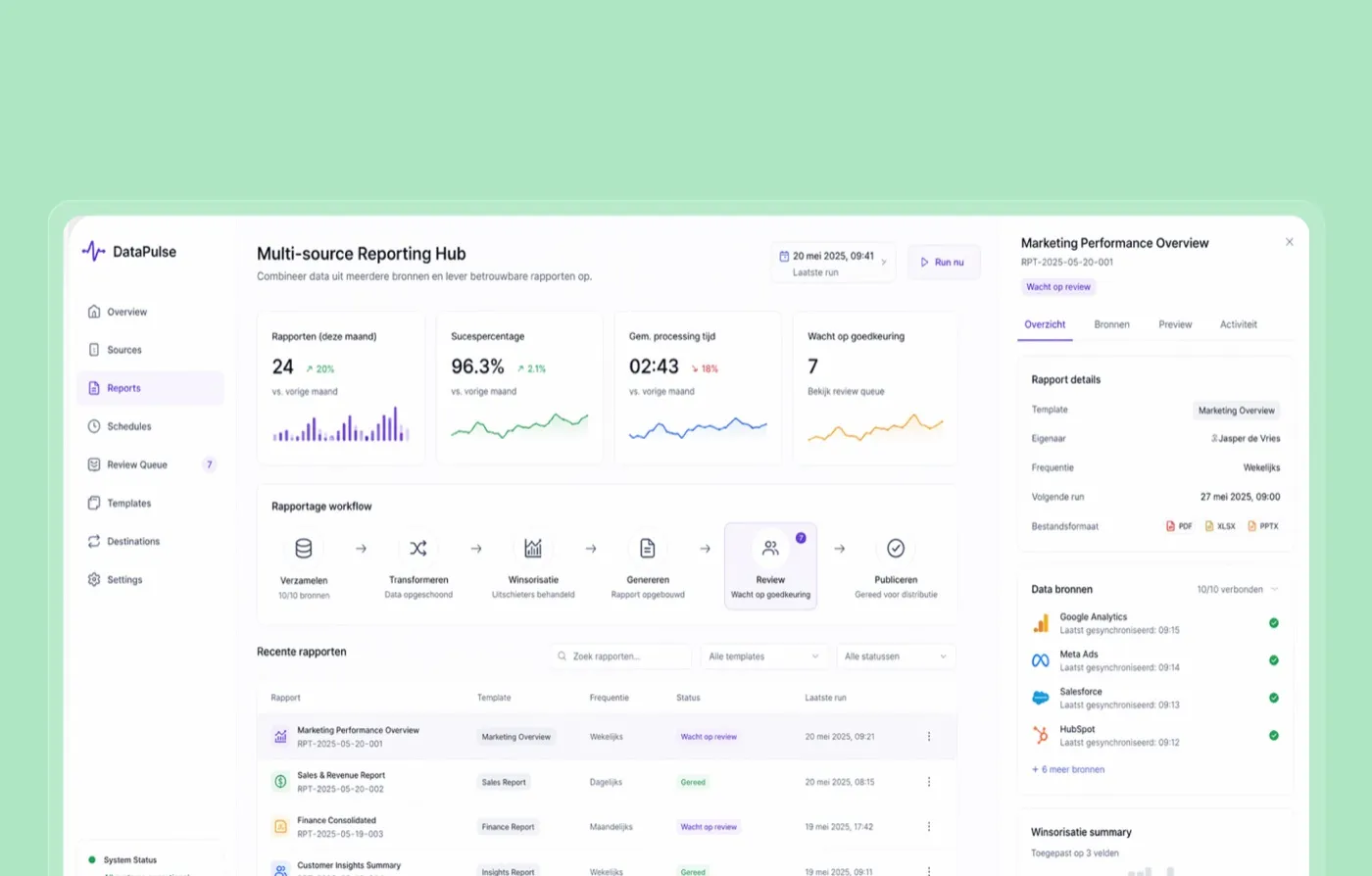
By the time the monthly report is ready, the figures are old again. For an e-commerce company we brought more than six sources together into one overview that's always current.

How we look at it
Retyping data from one system into another. A report someone hand-assembles from six separate exports. A document re-typed from scratch after every meeting.
It eats hours, it invites mistakes, and it doesn't scale as you grow. Automation flips that: the systems do the grunt work, your people do the work that actually matters. We build that automation around your existing process and connect it to the tools you already use.
We have done this for dozens of companies, in all kinds of industries. We are honest about when something isn't worth it: if an off-the-shelf tool will do, we say so. And we don't use AI as a sales pitch, only where it genuinely saves time.
We think along with you: we listen first to what you want to achieve now and where you are heading, then choose the technology to match, for the most scalable and powerful result that is cost-efficient at the same time.
Our services
Repetitive business processes, fully automated.
Smart workflows that route tasks automatically.
Finally get your existing systems talking to each other.
Software robots that take over manual clickwork.
Automatic dashboards and reports, always up to date.
Documents and emails that draft and send themselves.
Our background
Much of what the founders saw fall apart in their earlier IT work started out as a quick fix. Someone tied a few tools together, it worked for a while, and when that person left nobody knew how it fitted together any more. The repairs then cost more than the automation had ever saved.
So we draw a process first the way it really runs, exceptions included, and only then choose: a no-code tool where that's enough, custom code where the volume or the complexity asks for it. What we deliver is documented and transferable, which means you don't end up depending on one person (us included).
01/ 03
Not every system has a clean API. For the old packages, portals and screens you can only reach by hand, we let a software robot take over: logging in, clicking, moving data across, exactly the way a person would, but without errors and without breaks. RPA isn't a goal in itself, it's the last resort when connecting through an API isn't possible.
02/ 03
Numbers that live everywhere and never arrive on time, that's the problem we solve here. We connect your sources, normalise the data to one definition, and let the reports build themselves. You have one current source for your figures, with reports that are ready to review.
03/ 03
Drafting, summarising, searching and sending documents is often the most time-consuming manual work in a business, and the best suited to automation. We let content, reports and emails generate themselves from your data and sources, with AI where it provably saves time. This is the area where we've built the most.
See the latest from Topdevs
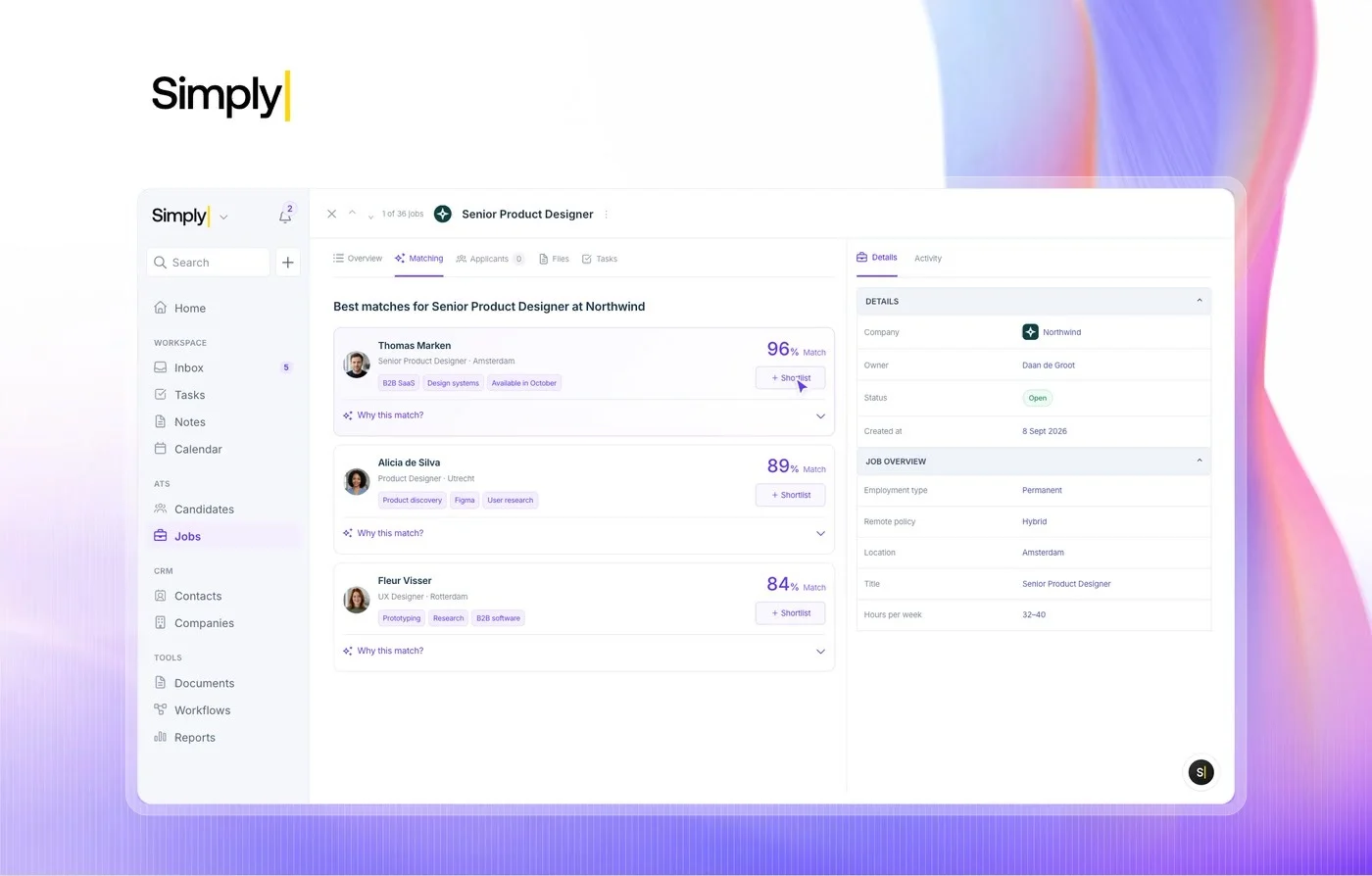
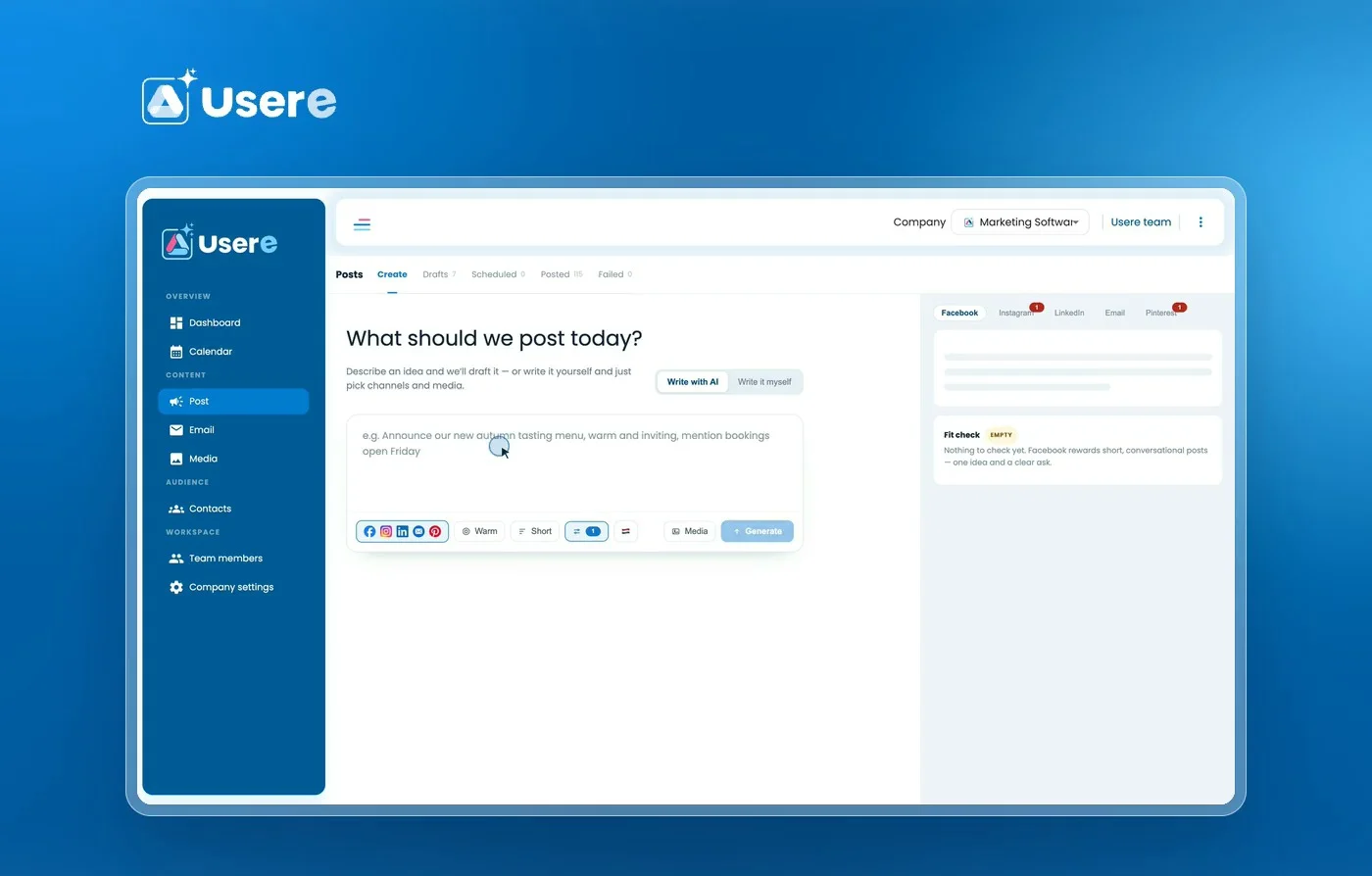
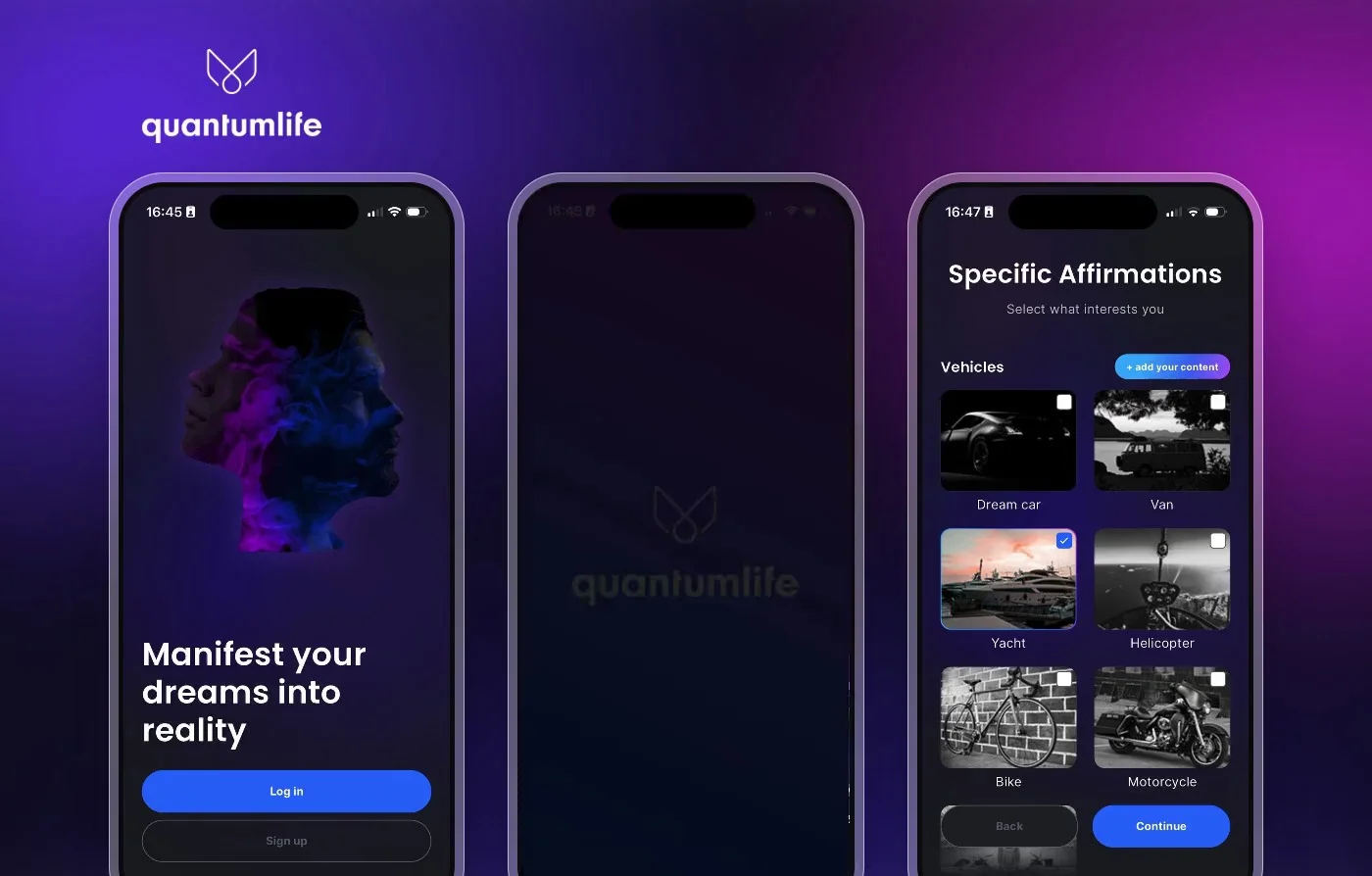
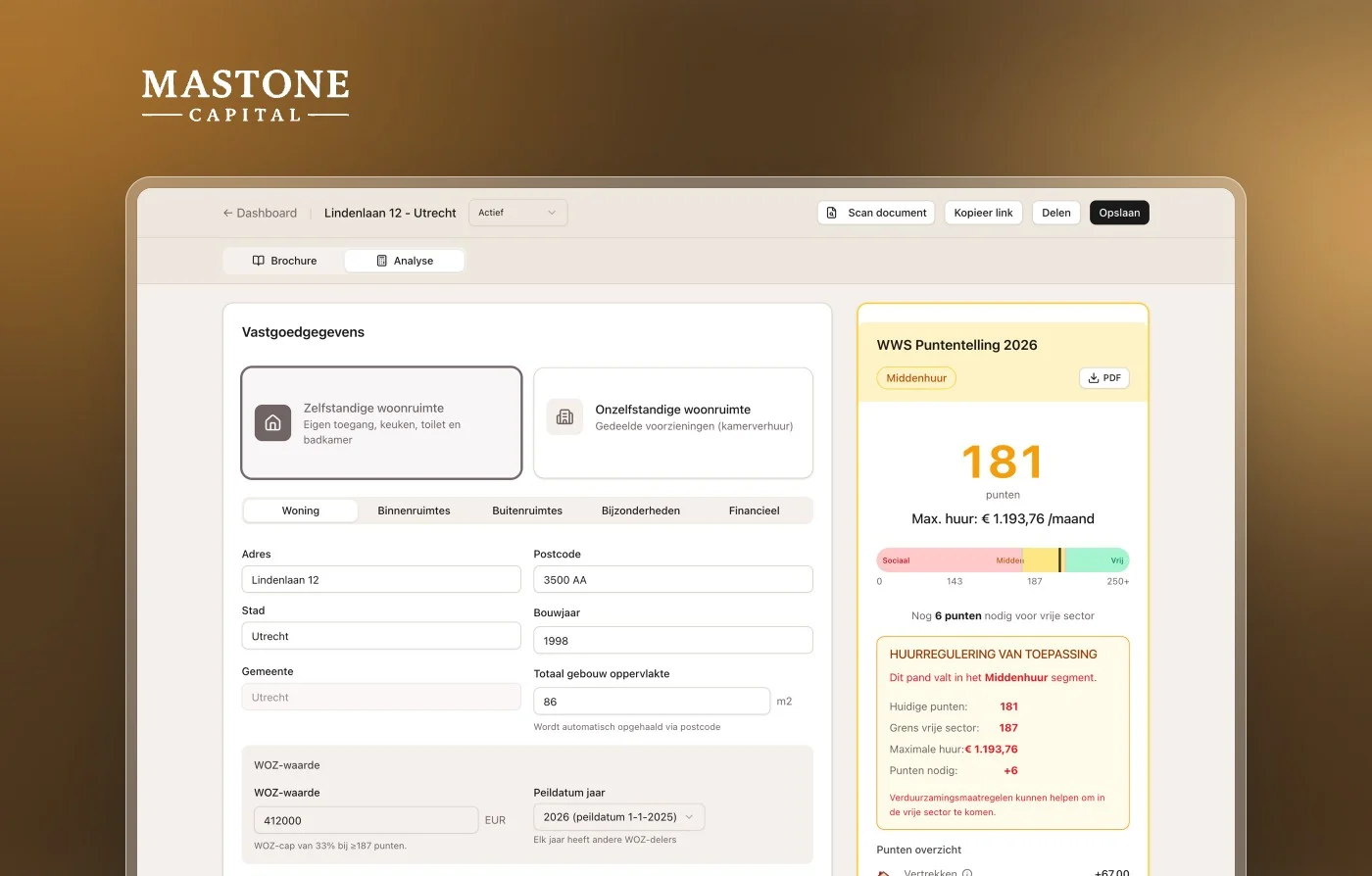
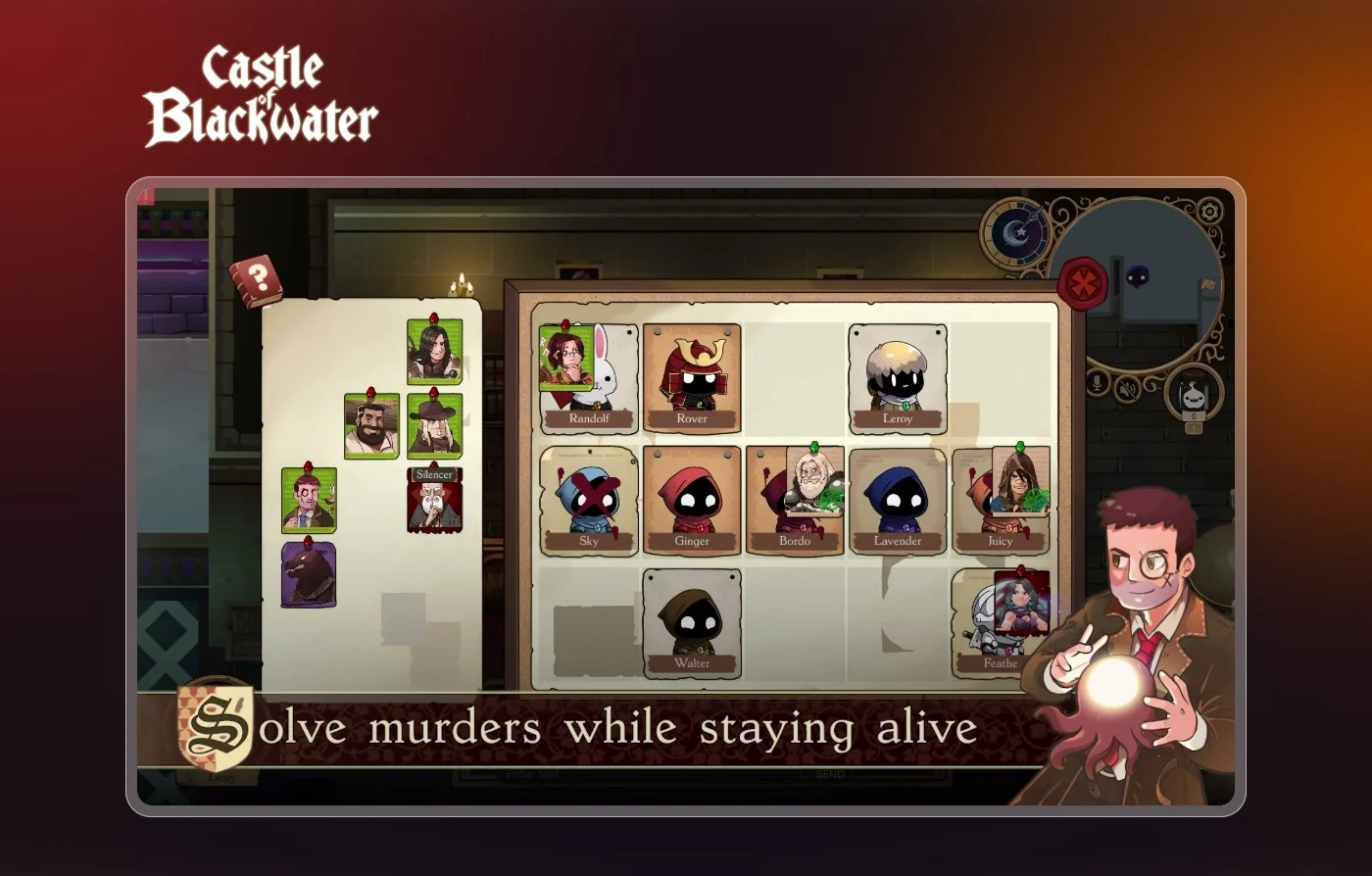
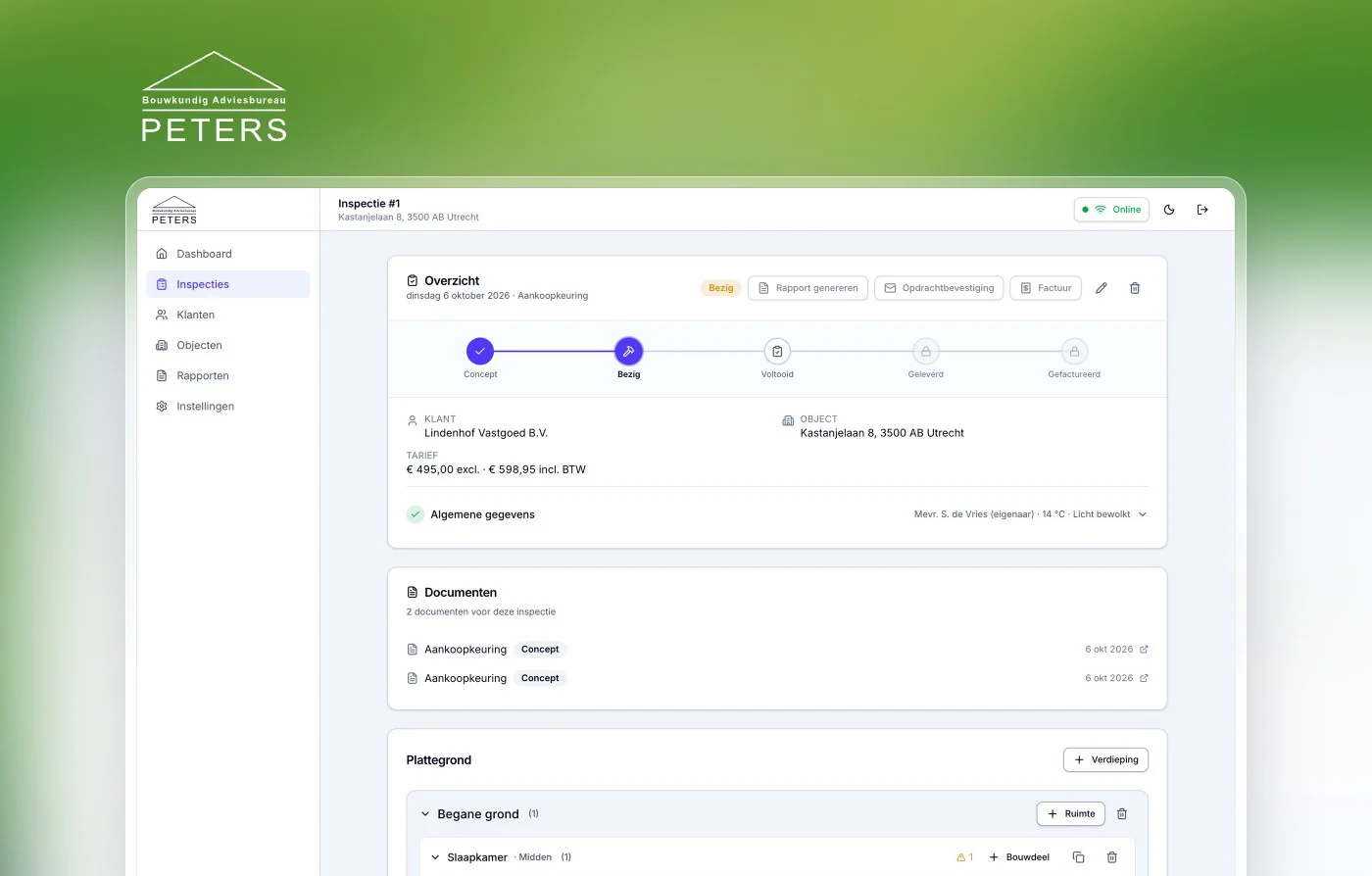
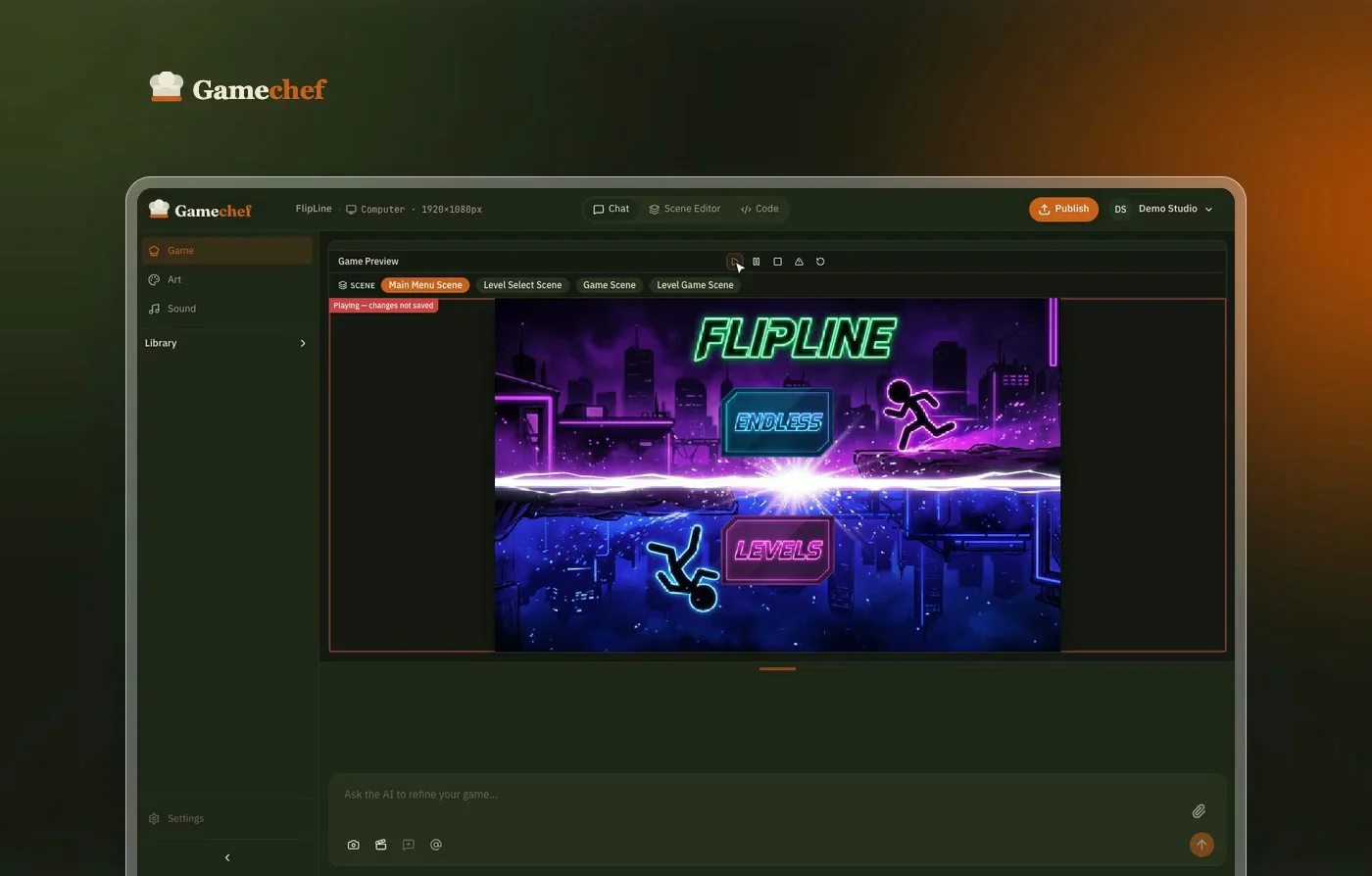
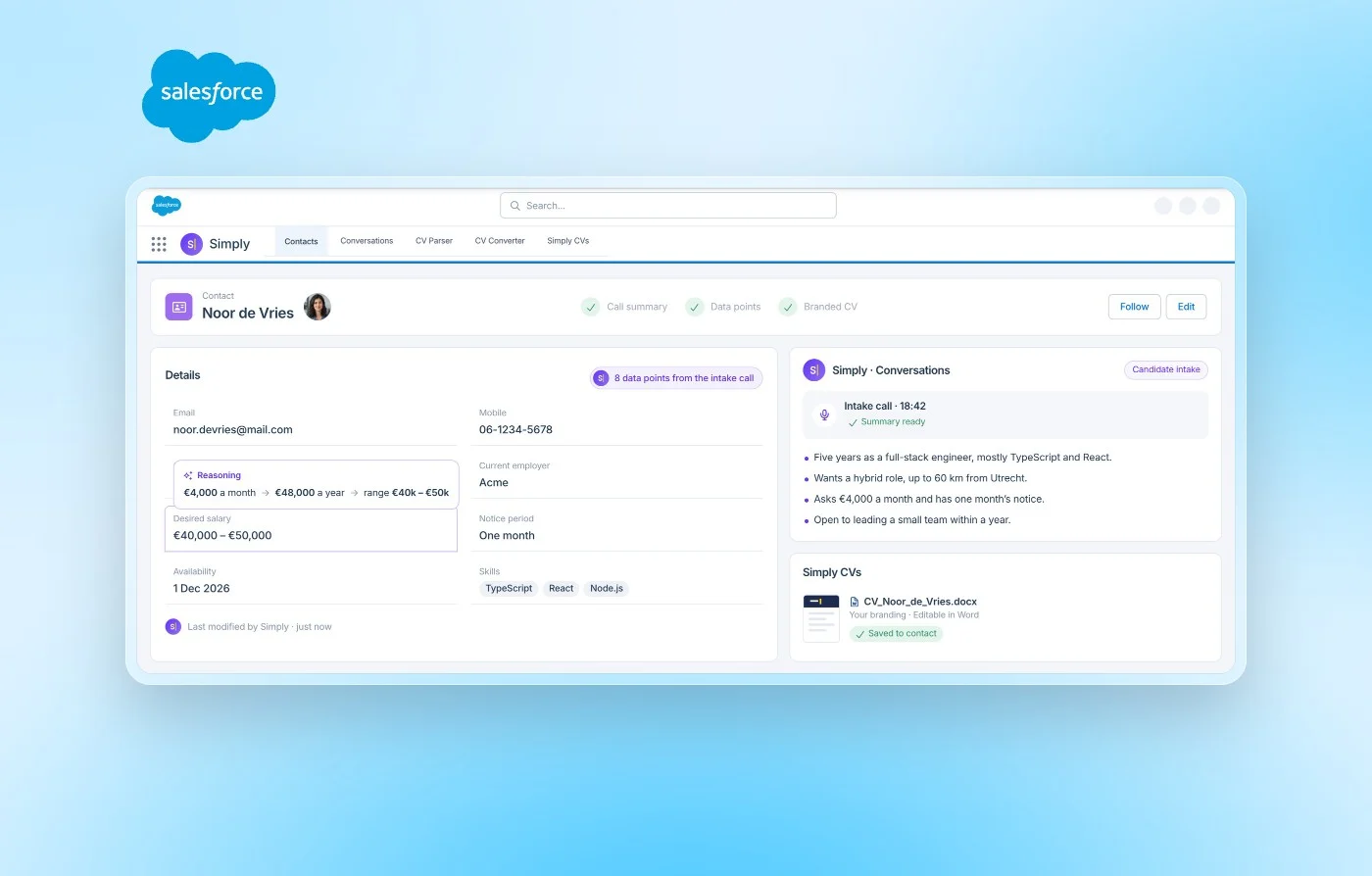
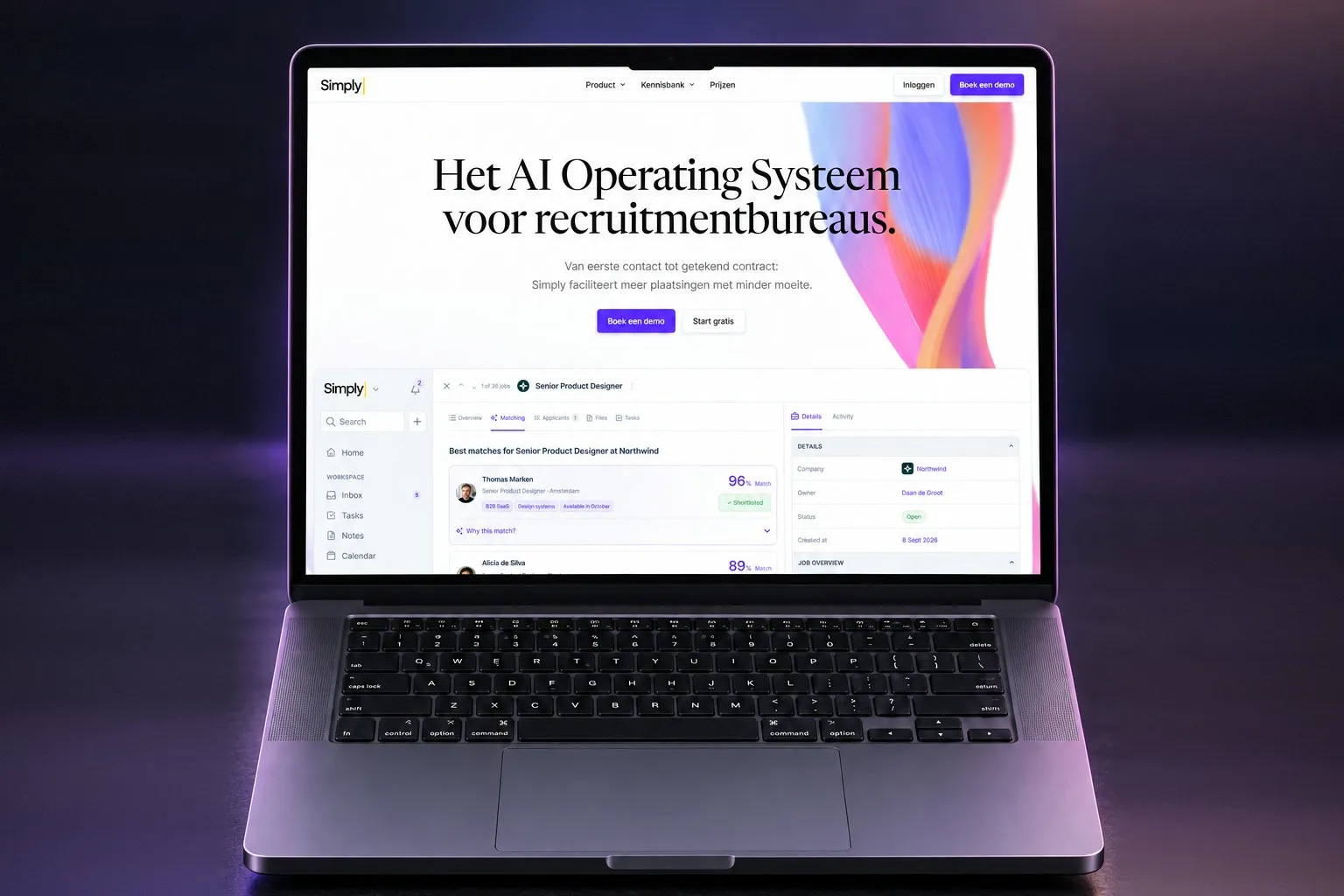
Simply's AI-native CRM and ATS, built by us from data model to hosting. One platform with an AI agent, a unified inbox, matching and workflows, used by thousands of recruiters every day.
Reviews
4.9 · based on client reviews
Personal contact, a result we're proud of
“Short lines, quick to act and genuinely thinking along. The result fits our club perfectly and our members find everything right away.”
 Froukje Wartenbergh-CrasLoopgroep Grave
Tens of thousands of documents, instantly searchable
“We used to dig through thousands of documents. Now I just ask a question and get an answer straight away, with the source attached so I can trust it. It saves us a huge amount of time.”
 Janet LongPlanit Consulting · AI chat for planning documents
Revenue within two months
“In just two months, the app they built for us was generating revenue.”
 Roy MartinaQuantum Life · meditation app
Traditional agencies make software feel risky. Topdevs makes the project clear before we build.
Every project runs through the same four stages, so you always know what’s happening, what’s next, and what it costs.



From first call to live software, usually in weeks not months
We help our clients stay on top by integrating tools such as:











Our promise
The full source code is and stays yours, documented and ready to hand over.
Stop working with us and your system keeps running. Any developer can pick it up.
You get a no-obligation blueprint and quote up front: no open-ended billing and no surprises afterwards.
We build security-by-design, with a specialist in-house.
It depends on the scope, but you always get a fixed price agreed up front. We map your process first, break it into pieces, then quote for what you genuinely need. A small flow is a matter of days to weeks; a chain across several systems costs more. Either way, you know where you stand from the start.
That depends on the problem. For a lot of recurring flows a tool like n8n, Make or Zapier is the fastest and cheapest route. When it gets more complex, with custom logic, integrations or large volumes, we build custom, often in Python. Where a no-code tool can't handle it, we build the integration inside the system itself. We pick whatever is most stable and most cost-effective for you in the long run.
Smaller flows often go live within days to weeks; a chain across several systems takes longer. We work in short iterations, so you see a working version quickly. The exact timeline depends on how many systems are involved and how clean the data is, and we agree that up front.
The automation runs on your own environment and the code and flows are yours, with documentation and a handover. Your own team or another party can carry on with it. If you want us to maintain it, we can, with clear agreements, but you are never tied to it.
We build for that up front. We put logging and monitoring underneath, so you can see when something stalls, for example when a source goes quiet or a format changes. At anonymous-ecom there's source-health monitoring that flags exactly that. If something changes structurally, we adjust the flow; often that's a small fix because we built the steps separately from one another.
Contact
Send us a message or book a call straight away. We're happy to think through the best approach with you.