AI agents
AI agents that carry out tasks on their own, inside your systems
An agent that calls functions in your system, is grounded on your data, and runs with guardrails inside your existing tools. You keep the judgement, the agent does the work.
Clients rate us 4.9
- Grounded on your own data, with source citations
- Runs inside your real systems, not a side tab
- Guardrails and human-in-the-loop

Built for, among others





The problem
What gets in the way
When most people think of AI, they think of a chatbot: you type something, you get a bit of text back.
Chatbots that only talk but do nothing
A chatbot answers questions and stops there: you get a bit of text and still do the work yourself. An agent carries out the task itself, in the system where the work lives.
Agents that hallucinate without grounding
An agent without grounding confidently makes things up. Our agents answer from your own sources and cite them, so you can check every answer.
Agents stuck in a separate tab
An AI tool beside your real system means copying data back and forth, which eats the time you saved. We build the agent inside the system your team already works in.
No guardrails, no control
An agent that acts on its own without limits is a risk. From the first design we define what it may touch and where a person still checks.

How we look at it
Nice, but it changes nothing about your actual work. An agent is different. It carries out tasks on its own: it calls functions, searches your data, fills in a document, starts a flow.
Read more
An agent does the work itself. The difference comes down to three things we build in as standard. One: the agent calls functions in your system.
Two: the agent is grounded on your own sources, with a citation back to the document, so it doesn't just make things up. Three: there are guardrails on it and a human can step in where it matters. That's how you win time without losing control.
And we're honest about when a simple automation or a plain chatbot fits better than an agent. We think along with you: we listen first to what you want to achieve now and where you are heading, then choose the technology to match, for the most scalable and powerful result that is cost-efficient at the same time.


What we build
How we help
The agent acts: one prompt drives functions and automations inside the tools your team already uses.
The agent answers only from your own sources and returns a citation to the original document with every answer. That way you can check every answer.
An agentic code engine searches a vectorised library of examples and fills in a project template. The result is working code, neatly spread over several files.
An agent is only useful once it knows your documents, conversations and records. We turn your sources into embeddings and a vector store it can search.
We define what the agent may and may not touch. The predictable steps run automatically; the sensitive decisions stay with your people.
What we built
See the latest from Topdevs
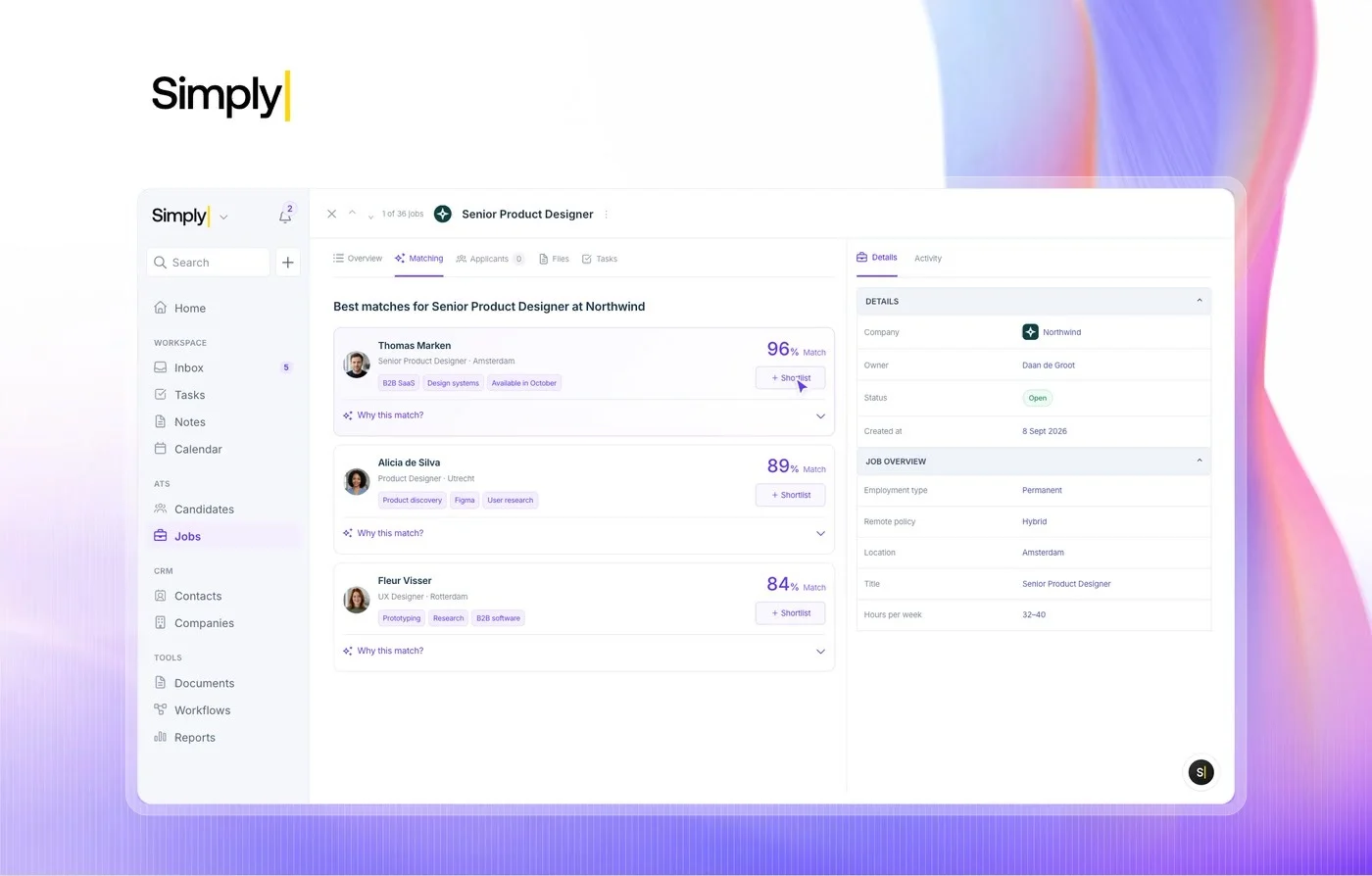
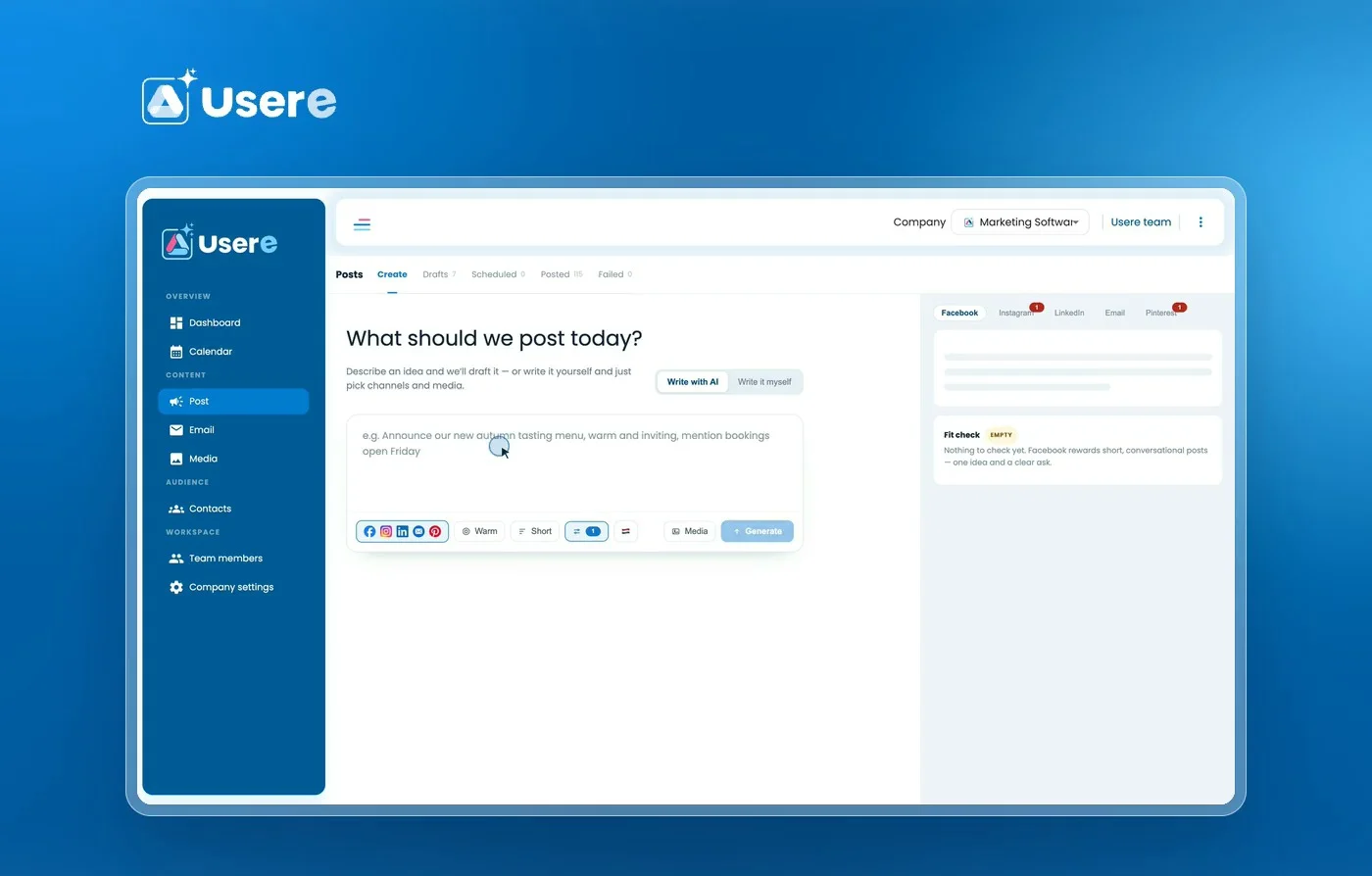
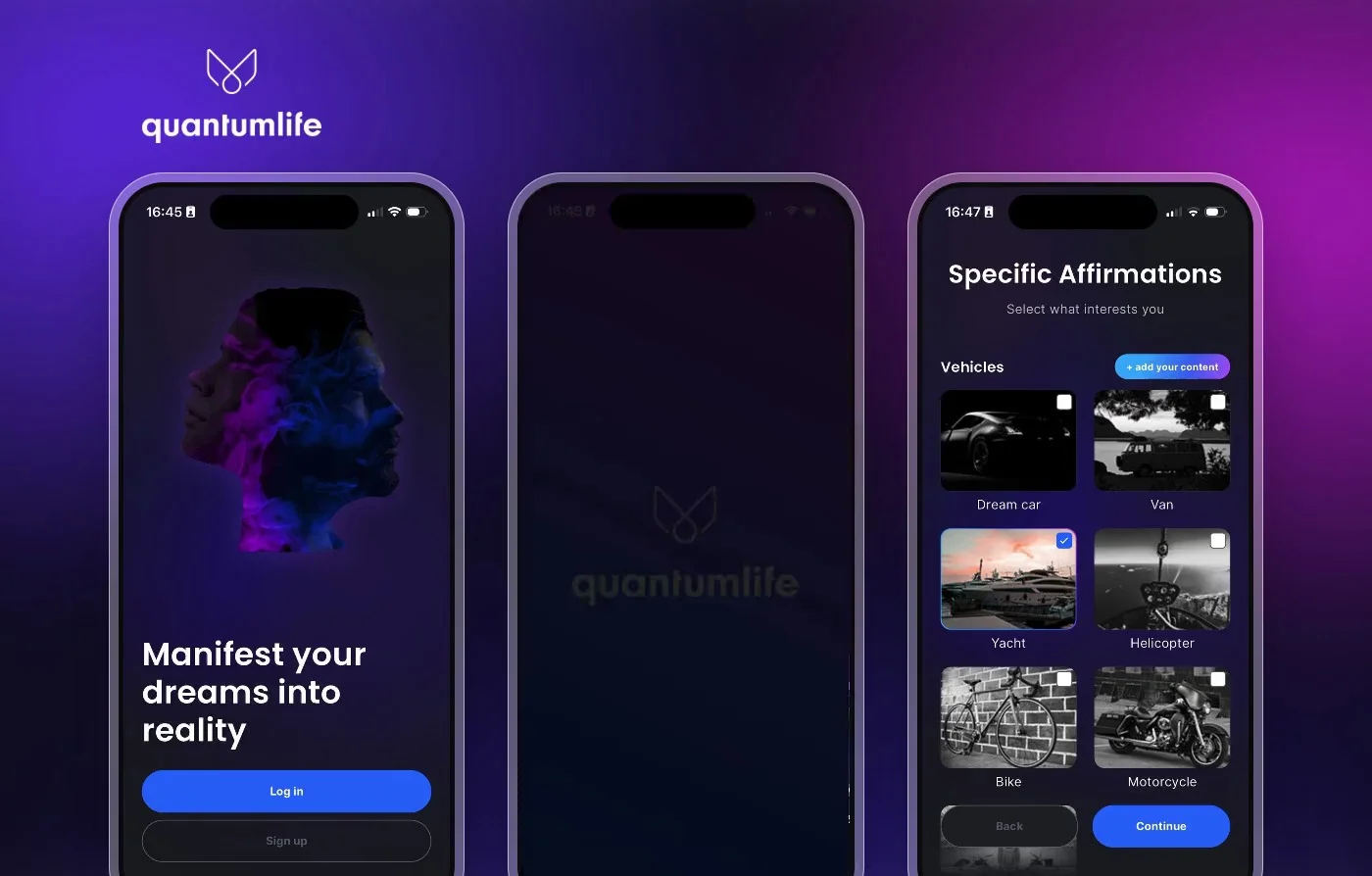
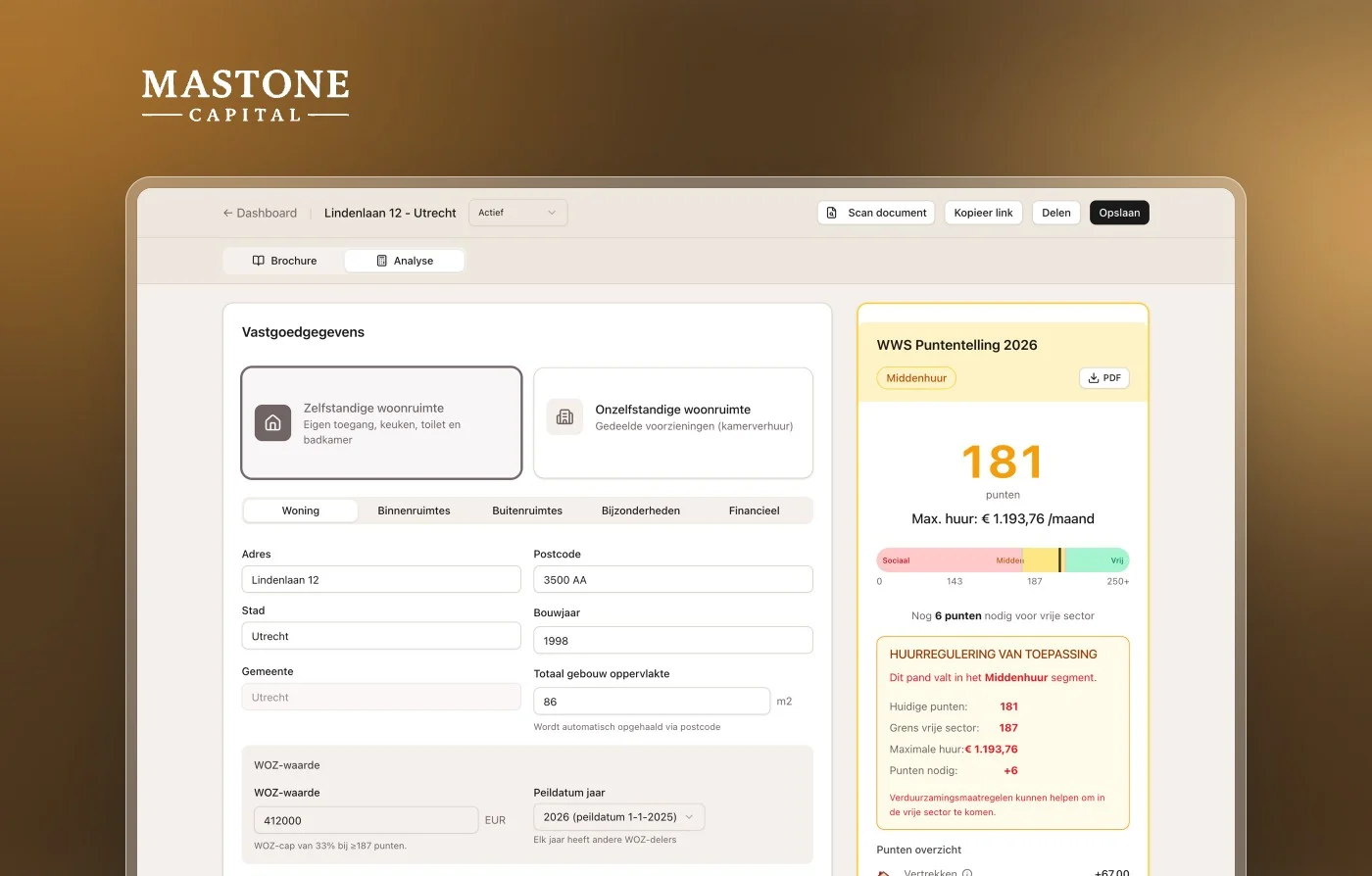
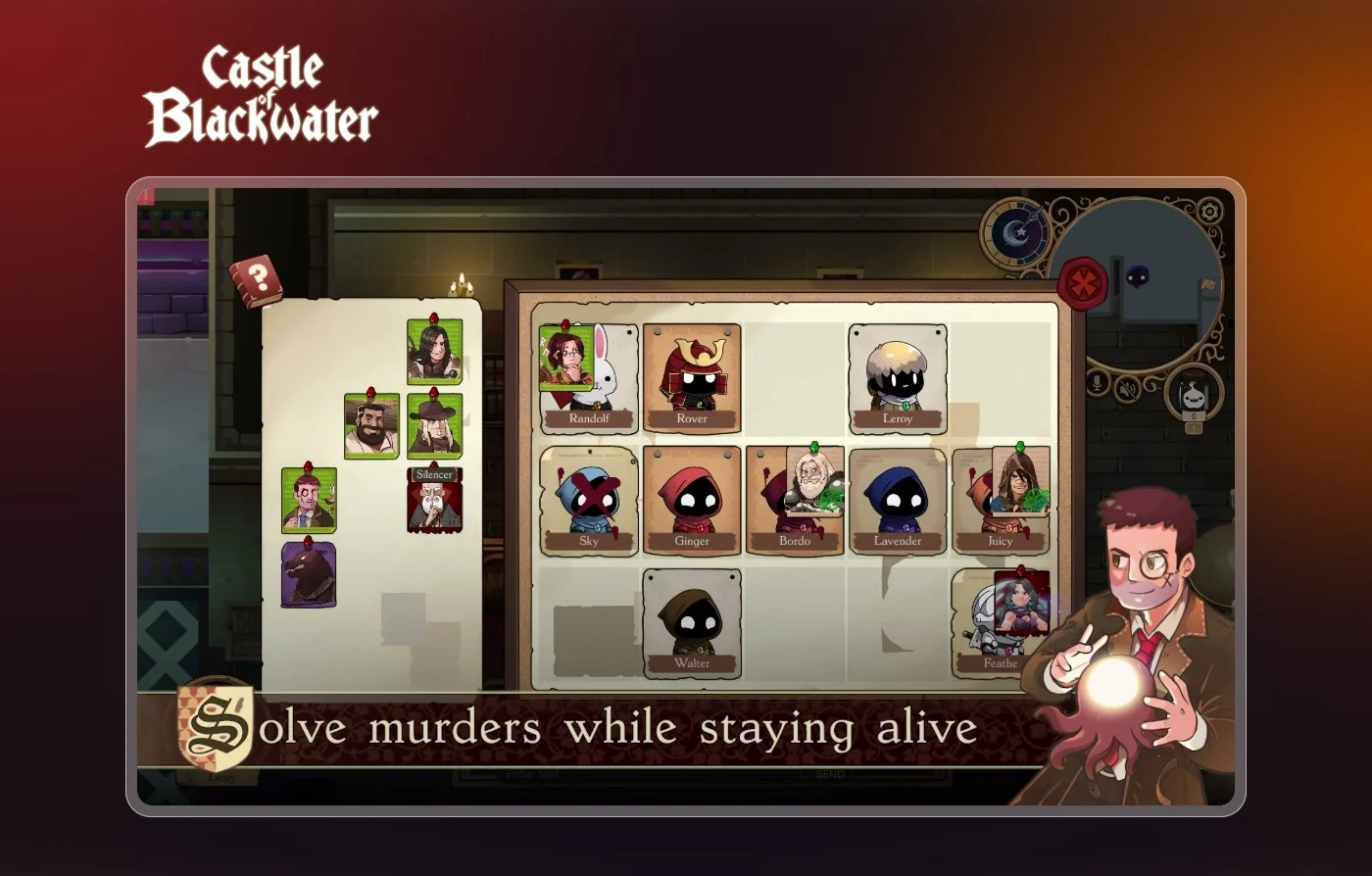
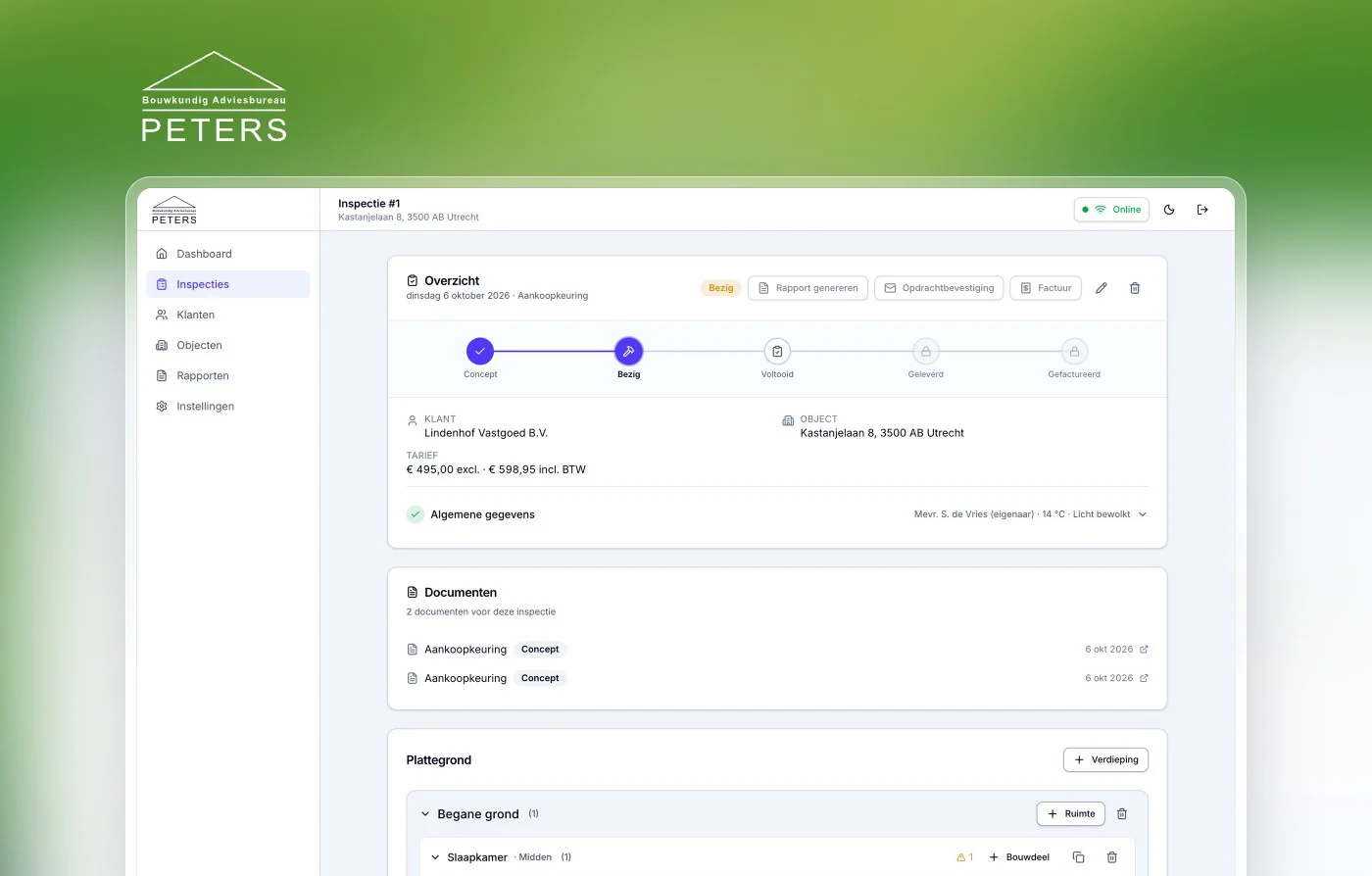
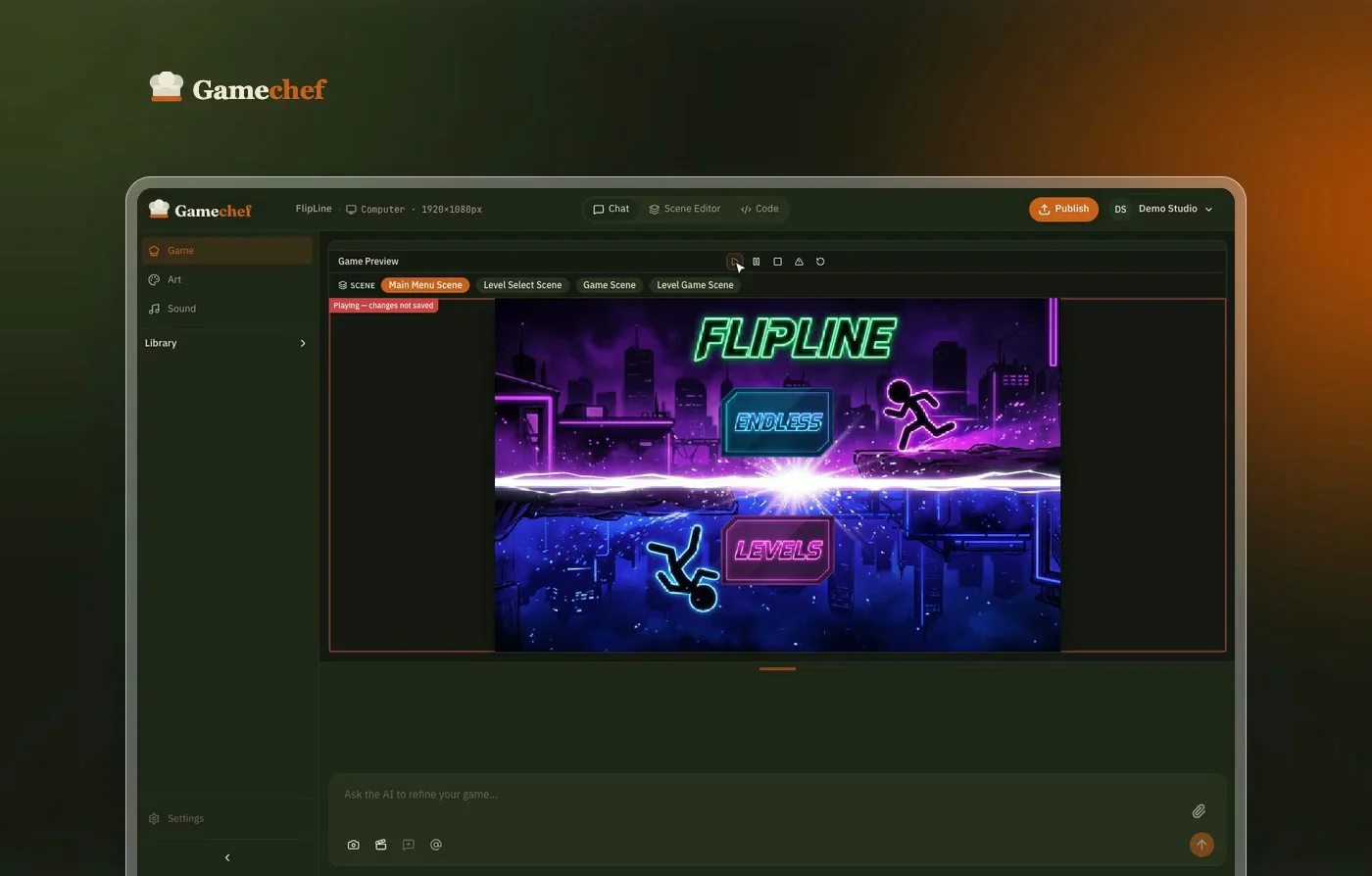
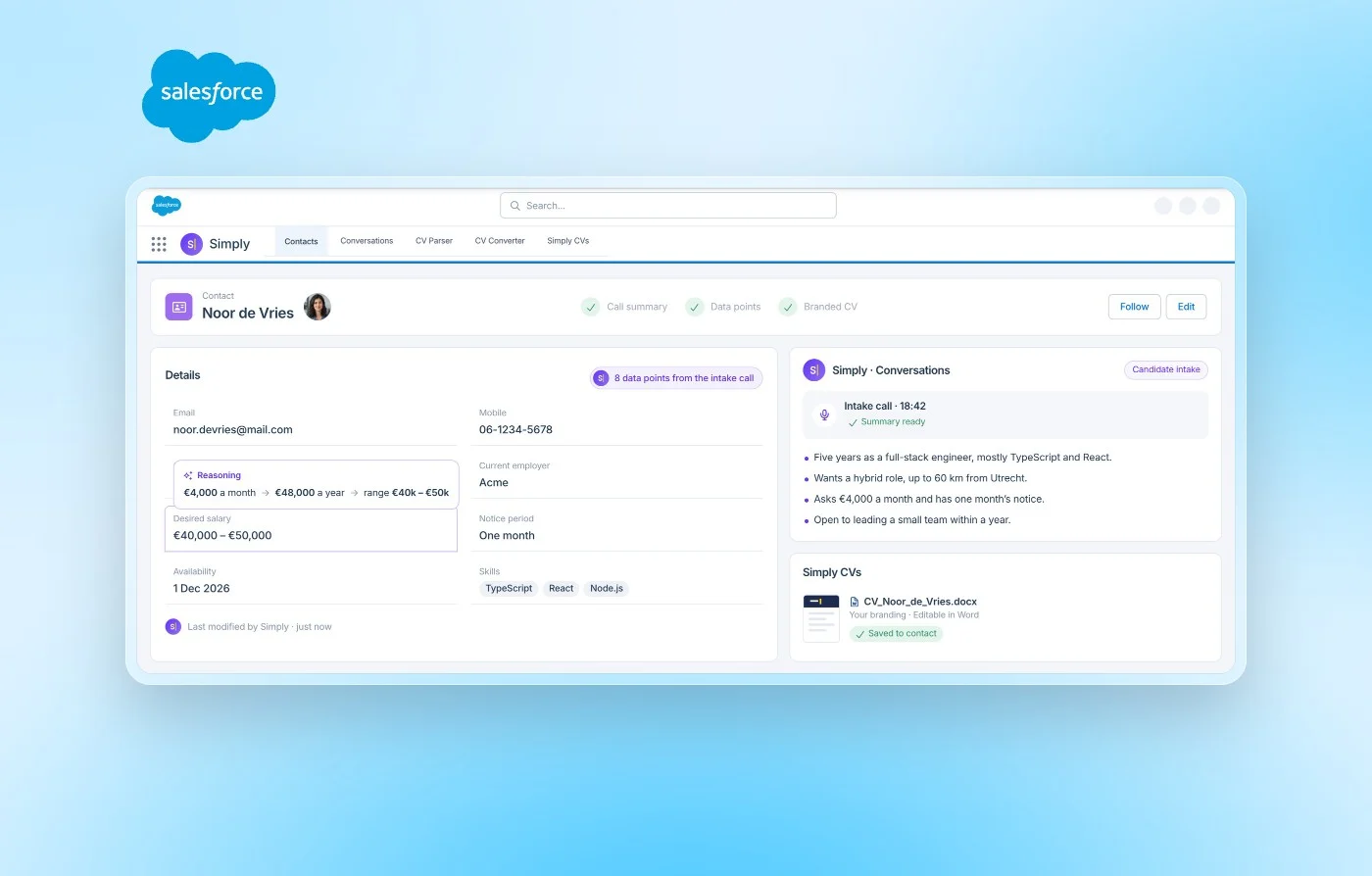
Simply - AI-Native CRM & ATS
Simply's AI-native CRM and ATS, built by us from data model to hosting. One platform with an AI agent, a unified inbox, matching and workflows, used by thousands of recruiters every day.
Reviews
What our clients say about us.
4.9 · based on client reviews
Revenue within two months
“In just two months, the app they built for us was generating revenue.”
 Roy MartinaQuantum Life · meditation app
10 hours back every week
“One week of development now saves us 10 hours every week.”
 Joost van den BogartBBS Advocaten
Our outbound runs itself now
“All our outbound now runs through one system that finds the right people by itself. It saves us a ton of manual work and we get more conversations out of it.”
 Kay LucasSimply
Our approach
From idea to working software in four phases
Every project runs through the same four phases, so you always know what's happening, what comes next and what it costs, from first call to live software, usually in weeks rather than months.
- 01Phase 1Free intake
Understand & analyse
Everything starts with a good conversation. We map your goals, processes and the bottlenecks worth solving: no sales pitch, just an honest read on where the biggest win sits.

- 02Phase 2Free blueprint
Blueprint & quote
We turn the analysis into a blueprint: a clear plan showing exactly which steps we'll take and why, paired with one fixed quote. You know up front precisely what we build, what it costs and when it's done, so the bill can't surprise you afterwards. And that blueprint is free and without obligation.

- 03Phase 3Prototype in days
Build, test & deploy
Then we build, in short iterations. You see a working prototype in days and a finished product in weeks. We work on a modern, AI-native and secure stack, with data protection and GDPR in mind from day one.

- 04Phase 4100% your code
Implement & optimise
We launch, hand over the full codebase and keep improving on your terms. You get 100% ownership of the code we write. Hosting and maintenance are optional.

What you always get
Fixed price
Agreed up front.
100% code ownership
Your code, fully yours.
Live in weeks
Prototypes in days, finished in weeks.
Modern & secure
A scalable stack that always integrates with the latest tech. Secured by our in-house cybersecurity experts.
Tools & tech
Not tied to one model or platform
We're not tied to one model or platform. We pick the AI approach that fits your data, budget and goal (an off-the-shelf model, a custom pipeline, or a mix), and we're honest when simpler tech does the job just as well.
- An AI agent that carries out tasks on its own inside your systems
- Function calling: the agent invokes real functions and automations, not loose text
- Grounding on your own data through embeddings and a vector store
- RAG with citations back to the original document, so every answer is verifiable
- Guardrails that define what the agent may and may not touch
- A human-in-the-loop checkpoint where human judgement matters
- The full code and flows fully yours, with documentation and handover
- A fixed price agreed upfront, with no open end
Faster Delivery. Fixed price. Forever your code.
Traditional agencies make software feel risky. Topdevs makes the project clear before we build.
Frequently asked questions
What does it cost to have an AI agent built?
It depends on what the agent has to do, but you always get a fixed price agreed upfront. An agent that calls a few functions in one system is a matter of days to weeks. An agent that has to answer from a complete archive costs more, because the documents first have to be processed and made searchable. We map what you genuinely need first, then quote. That way you know where you stand from the start.
How long until an agent goes live?
A simple agentic chat that drives a few functions often goes live within days to weeks. An agent that has to be grounded on your own data takes longer, because the quality of the answers stands or falls with the pipeline underneath: how you classify, chunk and embed your documents. We work in short iterations, so you see a working version quickly. The exact timeline depends on how many sources and functions are involved, and we agree that upfront.
Does the agent stay mine, and who maintains it?
The agent runs on your own environment and the code, prompts and flows are fully yours, with documentation and a clean handover. Your own team or another party can carry on with it. If you want us to maintain and develop it further, for example when your sources change, we can, with clear agreements, but you are never tied to it.
Will an AI agent replace my people?
No, it takes the repetitive work off their plate. The principle is simple: people do the judgement work, the agent does the execution. Your people decide what's relevant and run the conversations; the agent does the digging and takes over the admin around them. That's exactly why we always build in a human-in-the-loop: the sensitive decisions stay with your team.
How do you stop the agent from making things up?
With grounding and guardrails. We don't let the agent answer from what the model thinks it knows, but from your own sources, through a RAG layer with embeddings and a vector store. Every answer comes with a reference to the original document, so you can check it. On top of that we define what the agent may touch and build in a checkpoint where it's needed.
Can I make an AI agent myself?
For a simple agent, often yes. With Copilot Studio or a workflow tool you can click an agent together in an afternoon that answers questions or handles one simple task, and for a test that's fine. It gets hard once the agent has to write into your own systems, search a large archive without making things up, or serve several people at once. Then it's about reliability, permissions and maintenance, and that's the point where having it built costs less than tinkering on.
Do you really need an agent here, or will a chatbot do?
Honest answer: often an agent is overkill. If all you need is to answer a question from a fixed set of texts, a plain chatbot or a simple search is cheaper and more stable. An agent only pays off when something actually has to happen: calling a function, building a document, starting a flow, searching a large archive with citations. If a lighter solution will do, we'll say so.
Contact
Ready to build?
Send us a message or book a call straight away. We're happy to think through the best approach with you.