AI automation
AI automation: for the work where a model has to understand text
Recurring work that calls for reading and understanding, and that a rule-based flow can't handle: summarising, parsing documents, classifying, generating content. We build the AI in where it demonstrably saves hours, and nowhere else.
Clients rate us 4.9
- AI only where it saves time
- Fixed price agreed upfront
- Output with source citations

Built for, among others




The problem
What gets in the way
Not everything you want to automate is a clean, predictable run of steps.
Recurring work that calls for reading and understanding
Summarising documents, assessing requests, answering e-mails: it comes back every week, yet a fixed rule can't handle it. AI takes over that reading, and your people check the result.
AI as a gimmick instead of real time saved
A chatbot nobody uses, a button that gives half an answer. We only build AI where it measurably saves hours.
Output you can't trust
AI that sometimes makes things up is worse than no AI. So we build in source references and checkpoints, so you can check every answer.
Old tools that can't get the text out of your documents
Classic text recognition trips over scans and complicated layouts, and then someone checks it by hand anyway. Our AI reads difficult documents reliably too, and pulls the data out clean.

How we look at it
Sometimes someone has to read and understand something before the next step can happen: summarise a document, assess a request, write text in the house style. That's exactly the work a rule-based flow can't handle. And that's what AI automation is about.
Read more
To be clear about the line: ordinary, predictable flows where a model doesn't need to understand text (connecting systems, moving data, RPA) belong to our separate Automation service. This page is about the steps where AI truly has to understand: summarising, parsing, classifying, generating. We don't bolt AI onto a process to make it sound modern.
We use it where it demonstrably saves hours, and we're honest about when it isn't needed. We think along with you: we listen first to what you want to achieve now and where you are heading, then choose the technology to match, for the most scalable and powerful result that is cost-efficient at the same time.


What we build
How we help
A source comes in (a news feed or an uploaded PDF) and AI turns it into a blog with a title and summary, plus a matching social post in your house style. Publishing takes a few minutes.
Contracts, forms and scans are read reliably, even where older text recognition stumbles. The data goes into your system clean and structured.
From your own templates, AI builds a document in seconds that looks as if someone made it by hand in your style, ready to send.
We make your archive searchable by meaning. You find a comparable earlier project in seconds, with a reference to the original document so you can check every answer.
We start with your process, not the model: which step really needs understanding of text, and where does an ordinary flow do? AI goes only where it saves hours.
What we built
See the latest from Topdevs
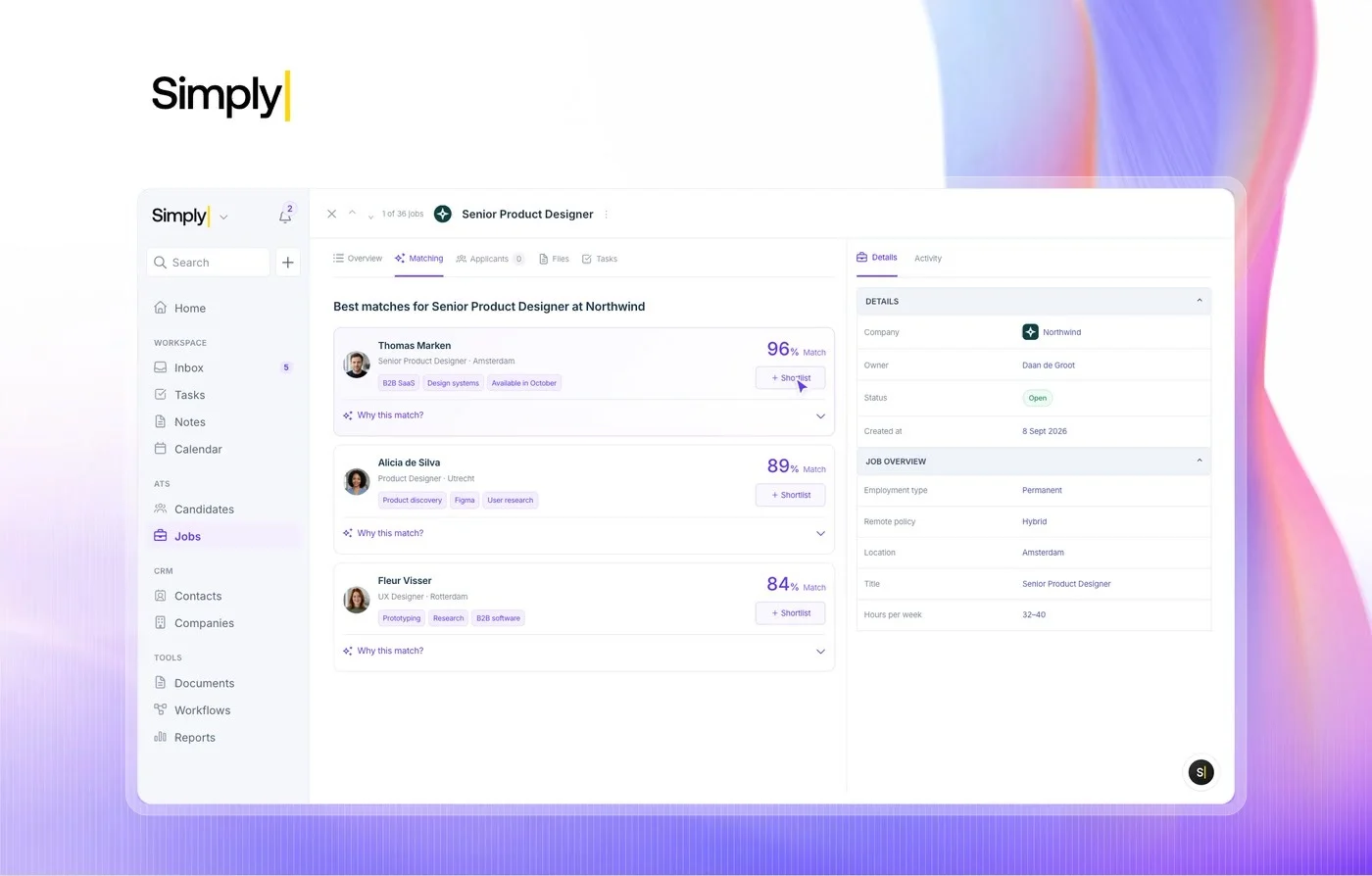
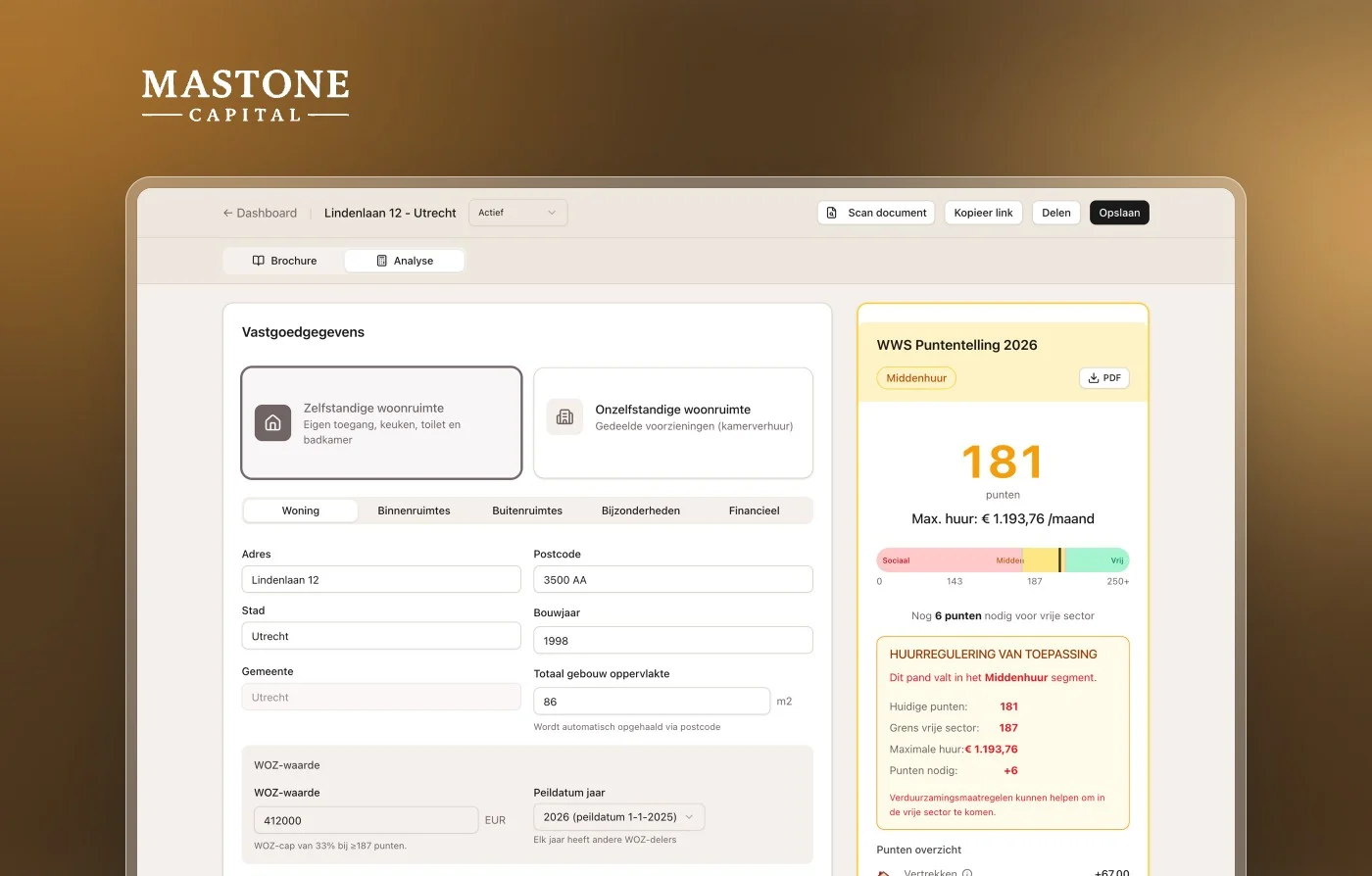
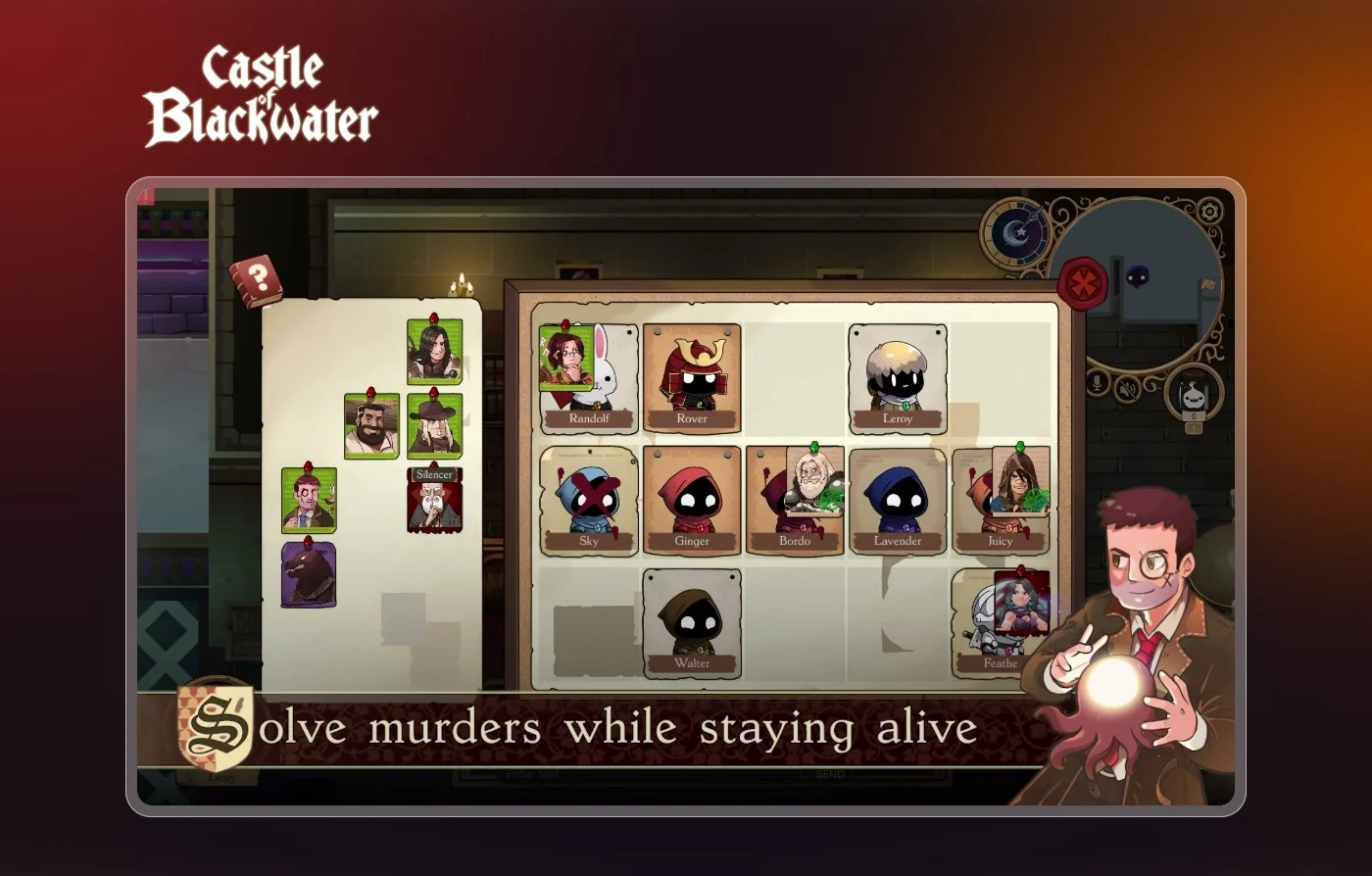
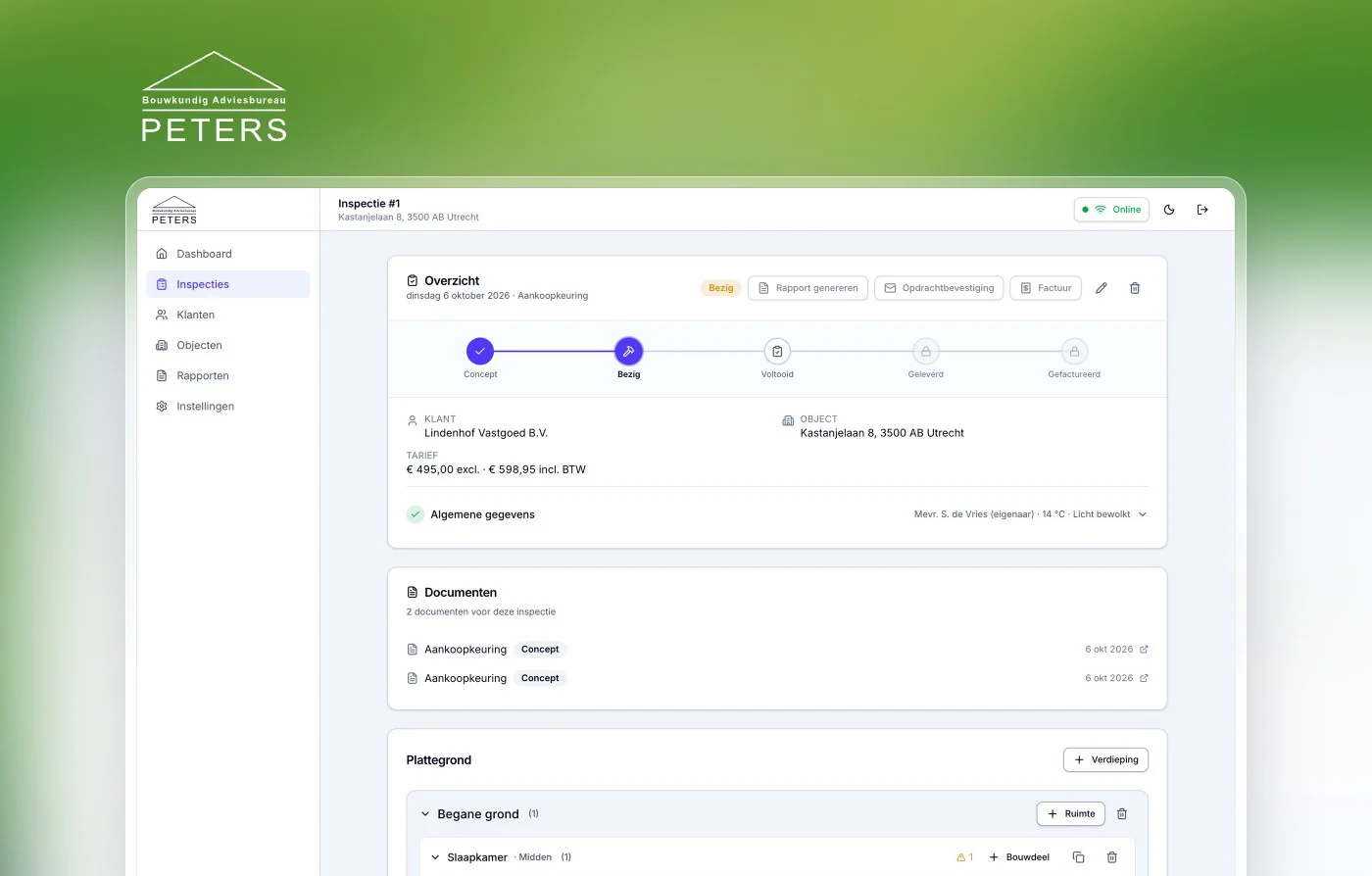
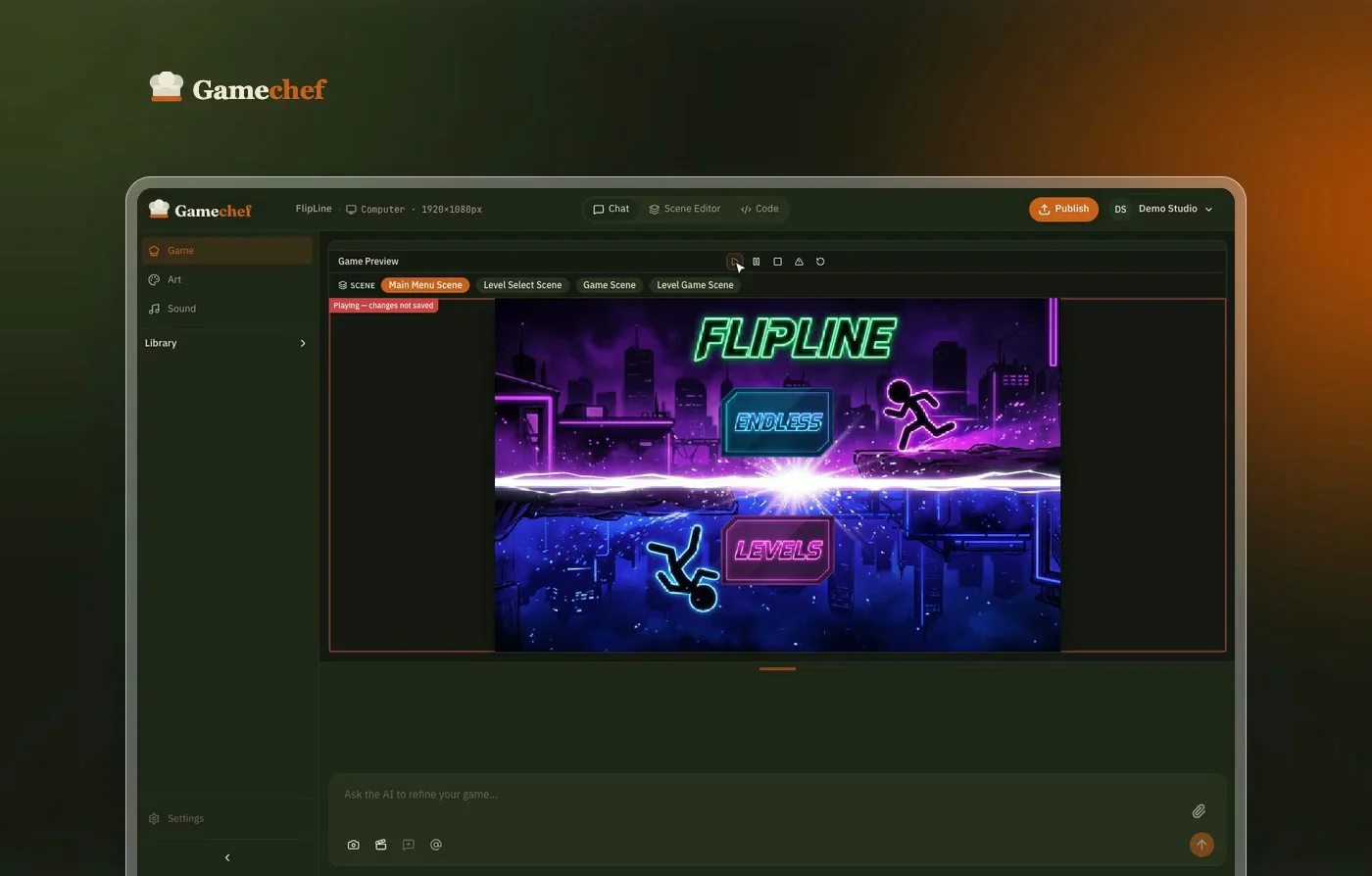
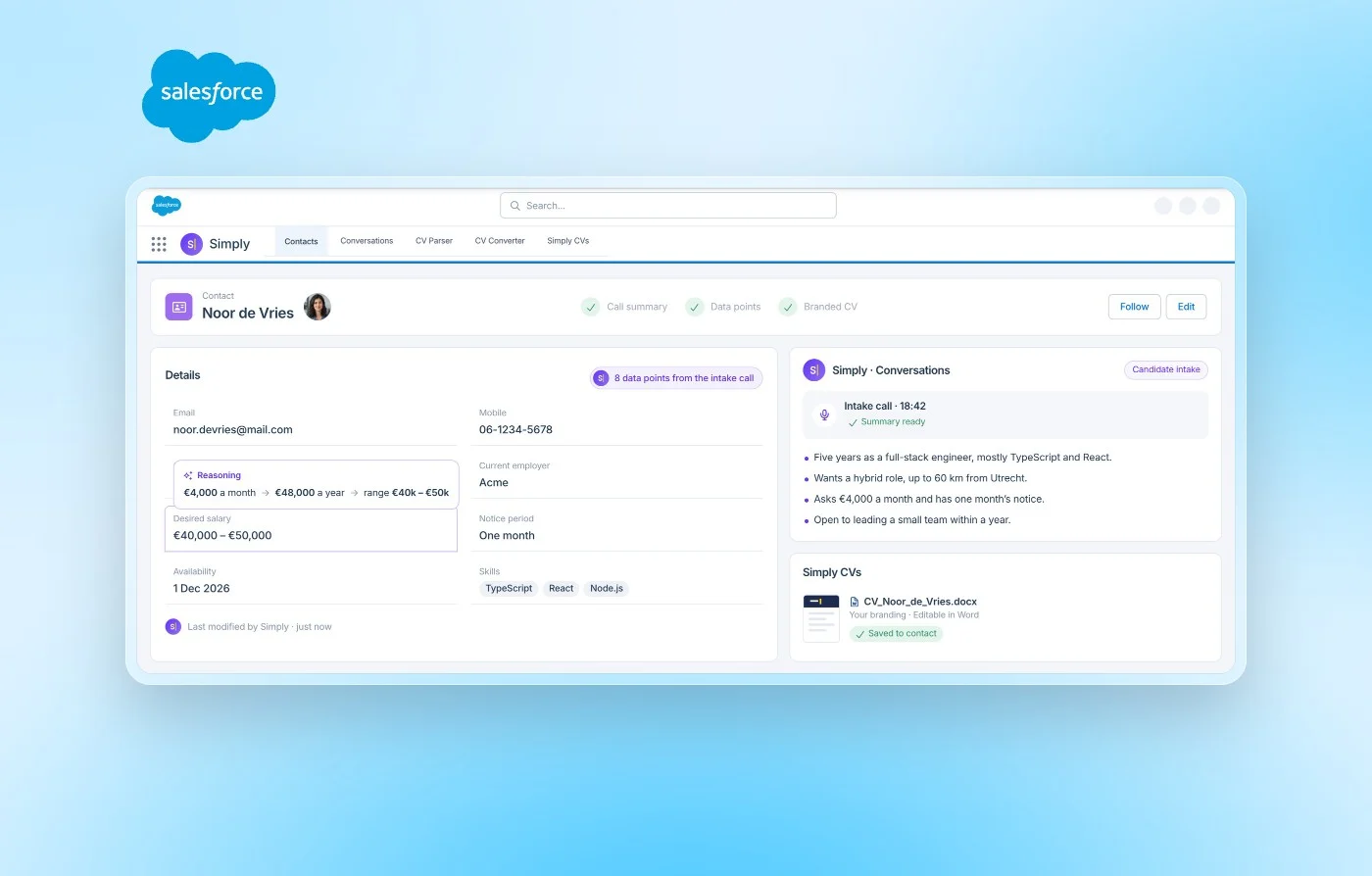
Simply - AI-Native CRM & ATS
Simply's AI-native CRM and ATS, built by us from data model to hosting. One platform with an AI agent, a unified inbox, matching and workflows, used by thousands of recruiters every day.
Reviews
What our clients say about us.
4.9 · based on client reviews
Revenue within two months
“In just two months, the app they built for us was generating revenue.”
 Roy MartinaQuantum Life · meditation app
10 hours back every week
“One week of development now saves us 10 hours every week.”
 Joost van den BogartBBS Advocaten
Our outbound runs itself now
“All our outbound now runs through one system that finds the right people by itself. It saves us a ton of manual work and we get more conversations out of it.”
 Kay LucasSimply
Our approach
From idea to working software in four phases
Every project runs through the same four phases, so you always know what's happening, what comes next and what it costs, from first call to live software, usually in weeks rather than months.
- 01Phase 1Free intake
Understand & analyse
Everything starts with a good conversation. We map your goals, processes and the bottlenecks worth solving: no sales pitch, just an honest read on where the biggest win sits.

- 02Phase 2Free blueprint
Blueprint & quote
We turn the analysis into a blueprint: a clear plan showing exactly which steps we'll take and why, paired with one fixed quote. You know up front precisely what we build, what it costs and when it's done, so the bill can't surprise you afterwards. And that blueprint is free and without obligation.

- 03Phase 3Prototype in days
Build, test & deploy
Then we build, in short iterations. You see a working prototype in days and a finished product in weeks. We work on a modern, AI-native and secure stack, with data protection and GDPR in mind from day one.

- 04Phase 4100% your code
Implement & optimise
We launch, hand over the full codebase and keep improving on your terms. You get 100% ownership of the code we write. Hosting and maintenance are optional.

What you always get
Fixed price
Agreed up front.
100% code ownership
Your code, fully yours.
Live in weeks
Prototypes in days, finished in weeks.
Modern & secure
A scalable stack that always integrates with the latest tech. Secured by our in-house cybersecurity experts.
Tools & tech
Not tied to one model or platform
We're not tied to one model or platform. We pick the AI approach that fits your data, budget and goal (an off-the-shelf model, a custom pipeline, or a mix), and we're honest when simpler tech does the job just as well.
- A working AI automation that runs on your own environment and data
- AI steps only where understanding text is needed: summarising, parsing, classifying, generating
- Document processing that reliably pulls text from PDFs and scans where ordinary text recognition fails
- Content and documents that roll out of your data in your own house style
- Source citations and checkpoints, so you can verify and trust the output
- An honest call upfront: which step needs AI and which doesn't
- A fixed price agreed upfront, with no open ends
- Optionally maintenance and ongoing development when a source or process changes
Faster Delivery. Fixed price. Forever your code.
Traditional agencies make software feel risky. Topdevs makes the project clear before we build.
Frequently asked questions
What does it cost to have AI automation built?
That depends on the scope, but you always get a fixed price agreed upfront. We map your process first, work out which step genuinely calls for understanding text, and then give a price for what you actually need. A single AI step is a matter of days to weeks; a full pipeline over a large archive costs more. Either way, you know where you stand from the start.
How long before an AI automation goes live?
A single AI step is often live within days to weeks. A larger pipeline takes longer, because the data first has to be processed and made searchable. We work in short iterations, so you see a working version quickly. The exact timeline depends on how much data is involved and how clean it is, and we agree that upfront.
Does the AI automation stay mine, and who maintains it?
The automation runs on your own environment and the code and flows are yours, with documentation and a handover. Your own team or another party can continue with it. If you'd like us to maintain it, for instance because a model or source changes, we can, on clear terms, but you're never tied to us.
Will this AI replace my people?
No, it takes the dull reading work off their plate. The principle stays the same: people do the judgement work, the AI does the repetition. Your people decide what's relevant and what the tone should be; the AI handles the first pass. Your team is freed up for the work that actually matters.
Is AI really needed here, or could it work without?
Good question, and we ask it ourselves too. Plenty of automation needs no AI at all: connecting systems, moving data or taking over screen work is predictable work that belongs to our separate Automation service. We bring in AI only where a step genuinely has to understand something. If you can do without, we'll say so. You don't pay for AI when it adds nothing.
How do I know I can trust the AI output?
By making it checkable. We build in source citations where we can, so you can always see where an answer came from. And where a step needs human judgement, we build in a checkpoint. That's how you win time without flying blind on something you can't review.
Contact
Ready to build?
Send us a message or book a call straight away. We're happy to think through the best approach with you.