System integrations
System integrations that make your tools talk
We connect the systems you already run so data flows from one to the other on its own. Exporting and retyping are then no longer needed.
Clients rate us 4.9
- Real native integrations, not flimsy middleware
- Fixed price agreed up front
- You own 100% of the code
Built for, among others





The problem
What gets in the way
Most companies run on ten tools that don't know each other exist.
You export and paste data between systems
Every week the same: export from one system, import into the other, or simply retype. It costs hours and an error creeps in at every step.
Your tools never agree with each other
The webshop says X, the CRM says Y and accounting something else, because every source has its own numbers and definitions. We bring everything back to one shared structure.
The same data gets entered twice
Creating a client in the CRM and again in invoicing, retyping an order from the marketplace into the warehouse. An integration makes one entry land everywhere.
An off-the-shelf connection keeps falling over
An off-the-shelf connector works until something changes at one of the systems. Then your process stops and nobody knows why. We build integrations that retry and report when something falters.

How we look at it
The webshop has no idea what the warehouse knows, the CRM has no idea what the bookkeeping knows, and the gap gets bridged with exports, copy-paste and a spreadsheet someone updates in the evening. That doesn't just burn hours, it breeds errors: two systems that say slightly different things, and nobody sure which number is real. A system integration fixes that by letting the tools talk to each other directly.
Read more
Data flows from source to destination on its own, at the right moment and in the right shape, so nothing gets entered twice. We're honest about how we build it. Sometimes a light webhook connection does the job.
When it always has to be right, we build an integration that becomes part of the system itself, with secure login. Either way the outcome is the same: one place where the numbers add up, and no manual work in between. We think along with you: we listen first to what you want to achieve now and where you are heading, then choose the technology to match, for the most scalable and powerful result that is cost-efficient at the same time.


What we build
How we help
An event in one system immediately starts an action in the other. A new order, a status change, a payment: it flows through at once.
Sometimes a light connection isn't enough. Then we build a full part inside your existing software, with the right permissions and a secure login.
We bring webshop, marketplaces, analytics and advertising back to one structure for orders, costs, stock and clients. Scattered figures become one reliable source.
The hard part of integrating is the content that passes through. We remove duplicates, check the data and absorb outages.
You get a signal when an integration slows down or hits a limit, before wrong figures end up in a report.
What we built
See the latest from Topdevs
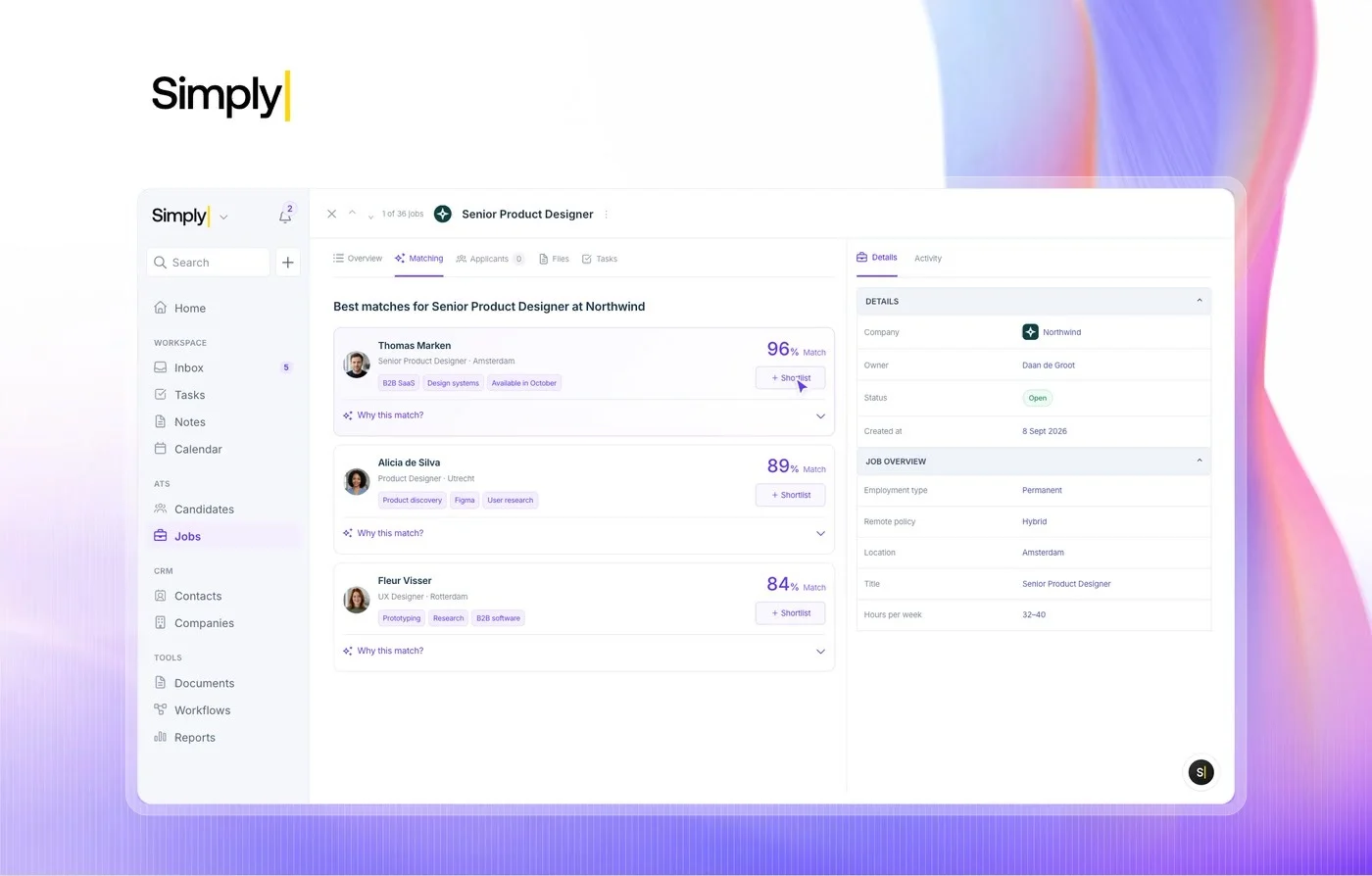


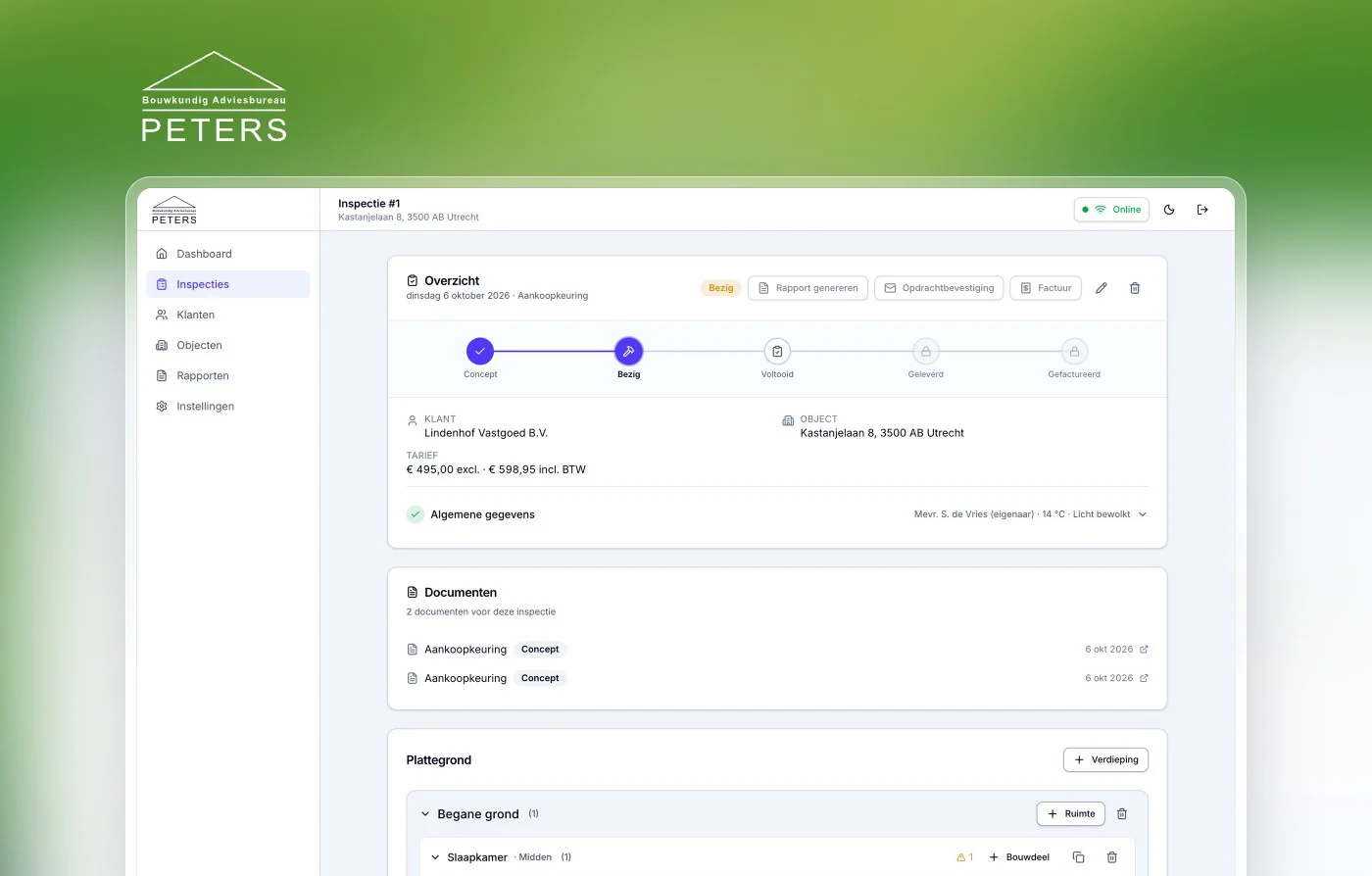
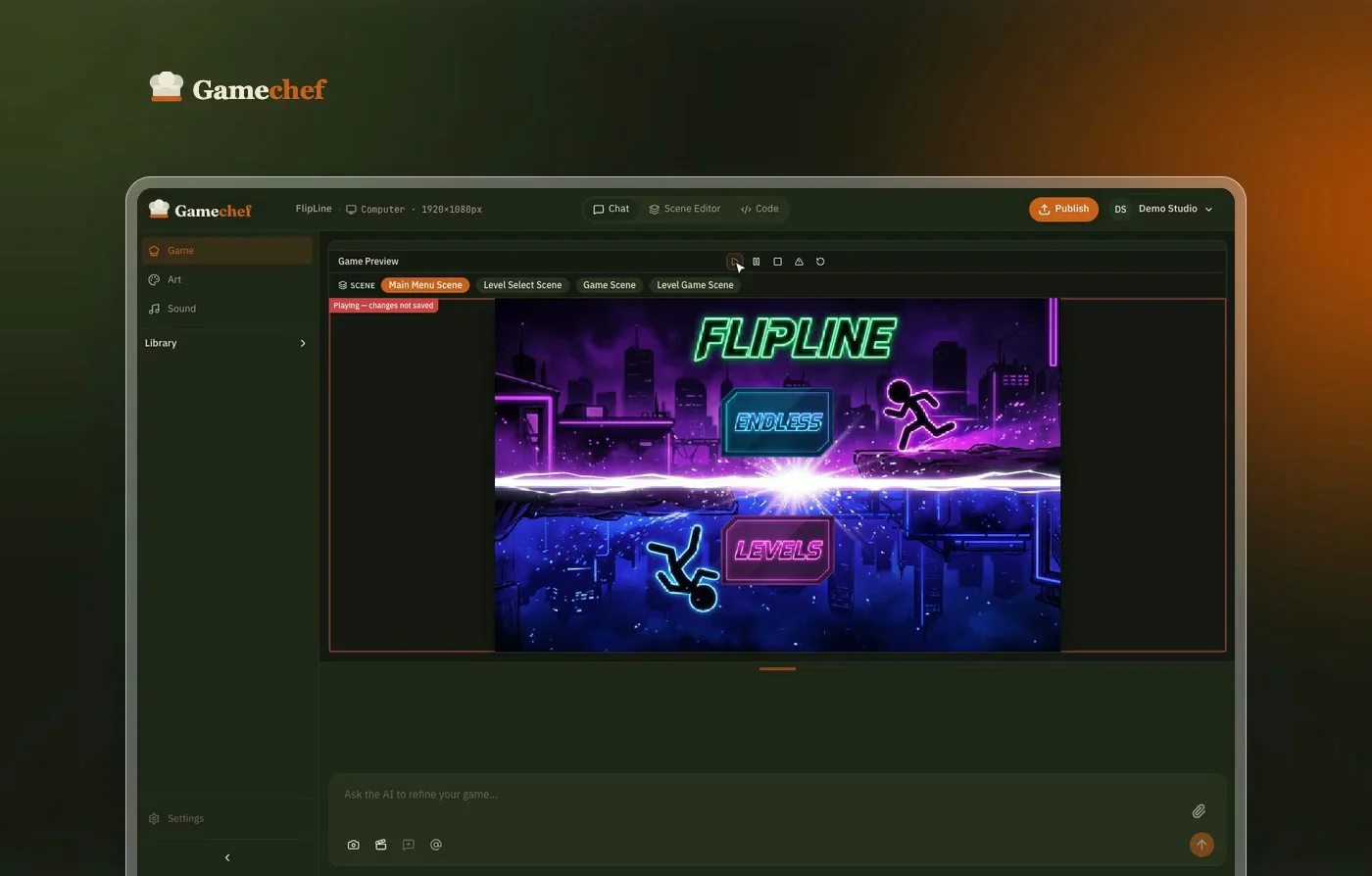
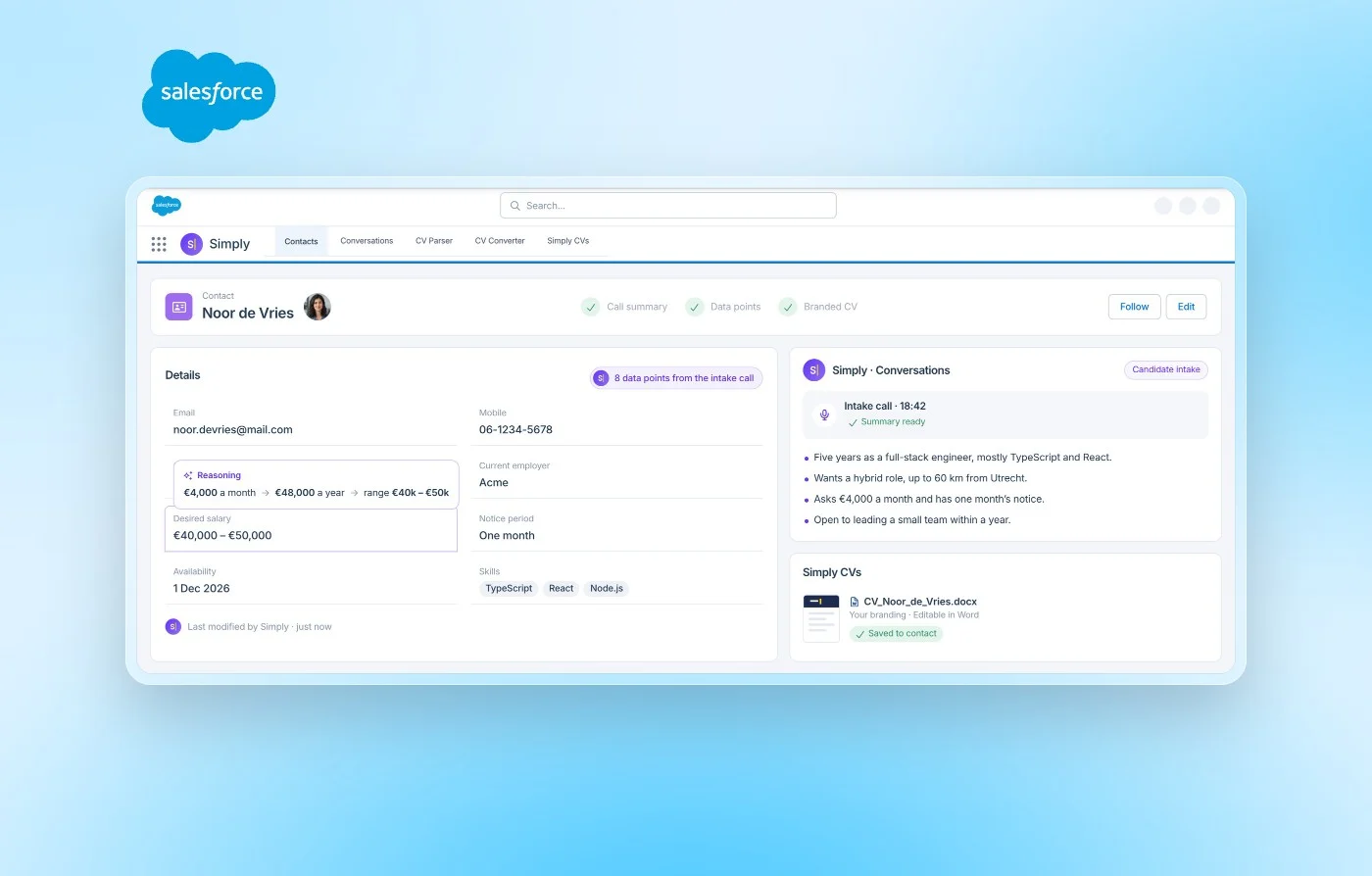
Simply - AI-Native CRM & ATS
Simply's AI-native CRM and ATS, built by us from data model to hosting. One platform with an AI agent, a unified inbox, matching and workflows, used by thousands of recruiters every day.
Reviews
What our clients say about us.
4.9 · based on client reviews
Personal contact, a result we're proud of
“Short lines, quick to act and genuinely thinking along. The result fits our club perfectly and our members find everything right away.”
 Froukje Wartenbergh-CrasLoopgroep Grave
Tens of thousands of documents, instantly searchable
“We used to dig through thousands of documents. Now I just ask a question and get an answer straight away, with the source attached so I can trust it. It saves us a huge amount of time.”
 Janet LongPlanit Consulting · AI chat for planning documents
Revenue within two months
“In just two months, the app they built for us was generating revenue.”
 Roy MartinaQuantum Life · meditation app
Our approach
From idea to working software in four phases
Every project runs through the same four phases, so you always know what's happening, what comes next and what it costs, from first call to live software, usually in weeks rather than months.
- 01Phase 1Free intake
Understand & analyse
Everything starts with a good conversation. We map your goals, processes and the bottlenecks worth solving: no sales pitch, just an honest read on where the biggest win sits.

- 02Phase 2Free blueprint
Blueprint & quote
We turn the analysis into a blueprint: a clear plan showing exactly which steps we'll take and why, paired with one fixed quote. You know up front precisely what we build, what it costs and when it's done, so the bill can't surprise you afterwards. And that blueprint is free and without obligation.

- 03Phase 3Prototype in days
Build, test & deploy
Then we build, in short iterations. You see a working prototype in days and a finished product in weeks. We work on a modern, AI-native and secure stack, with data protection and GDPR in mind from day one.

- 04Phase 4100% your code
Implement & optimise
We launch, hand over the full codebase and keep improving on your terms. You get 100% ownership of the code we write. Hosting and maintenance are optional.

What you always get
Fixed price
Agreed up front.
100% code ownership
Your code, fully yours.
Live in weeks
Prototypes in days, finished in weeks.
Modern & secure
A scalable stack that always integrates with the latest tech. Secured by our in-house cybersecurity experts.
Tools & tech
No-code where it fits, custom where it pays off
We automate with whatever fits your systems and volume: a no-code tool where that's smartest, custom code where it pays off. We choose what holds up and stays maintainable for you.
- API and webhook connections between your existing systems
- Native integrations that run inside your existing software where off-the-shelf connectors fall short
- A normalisation layer that maps every source to one shared data model
- Data pipelines with validation, deduplication and retry logic
- Source-health monitoring and alerts for slow or failed sources
- One current overview of all your figures
- 100% ownership of the full source code, with documentation
- A fixed price agreed up front, no open ends
Faster Delivery. Fixed price. Forever your code.
Traditional agencies make software feel risky. Topdevs makes the project clear before we build.
Frequently asked questions
What does it cost to have a system integration built?
It depends on how many systems are involved and how clean their APIs are, but you always get a fixed price agreed up front. We first look at which systems you want connected and what exactly needs to flow, and then we name a price for what you actually need. Want a ballpark for your situation? Book a call and we'll work it out concretely.
Can you connect to system X that we use?
Almost always. If the system has an API or webhooks, we connect through REST or GraphQL. If it doesn't, we find another route: an export-import bridge, a database connection or a middleware layer. Where needed we build an app inside the system itself. Which approach fits best is something we decide once we look at your systems.
What's the difference between your integration and Zapier or a plug-in?
Off-the-shelf tools like Zapier are fine for simple, predictable flows. They just break the moment an API changes, a limit is hit or an edge case shows up, and then your process stalls with no clear reason why. We build connections with normalisation, validation, retry logic and monitoring underneath, so the data adds up and you notice when something hiccups.
How do you keep data reliable across multiple sources?
That's exactly the hard part, and where most of the work goes. Sources rarely agree with each other: different IDs, currencies and definitions of revenue. We normalise everything to one shared model, deduplicate, validate and absorb API outages with retry logic. By monitoring every source we can tell a real change from a technical gap.
What if a source or API goes down temporarily?
We build for that. Connections get retry logic, so a temporary outage doesn't lose data, and historical recalculation, so figures that arrive late (like marketplace settlements or refunds) still land in the right place. Source-health monitoring flags it when a feed slows or stalls, before the wrong numbers end up in a report.
Who owns the integration code?
You do. The full source code is and stays yours, with documentation and a clean handover. You can continue with your own team or another party at any moment. We keep nothing locked away, including the logic of your integrations.
Contact
Ready to build?
Send us a message or book a call straight away. We're happy to think through the best approach with you.